Doomscrolling happens when endless feeds keep pulling attention without providing real value. Learning how to stop doomscrolling can help you regain time, focus, and mental clarity.
Doomscrolling describes the habit of continuously scrolling through negative or endless online content.
Many social media platforms and news feeds are designed to keep users scrolling for long periods of time.
The feed rarely ends.
New content appears automatically, encouraging users to keep consuming information without stopping.
Over time, this behavior can become automatic.
A person may open an app intending to spend a few minutes, only to realize that an hour has passed.
Learning how to stop doomscrolling begins with understanding how these systems influence attention.
Doomscrolling is not simply a lack of discipline.
Many digital platforms are designed specifically to capture and hold attention.
Algorithms continuously deliver new content based on what keeps users engaged.
This design creates a powerful feedback loop.
Every scroll introduces the possibility of discovering something interesting or emotionally stimulating.
This unpredictability keeps users engaged longer than they intended.
As a result, many people struggle with doomscrolling habits without realizing how much time they are spending online.
Endless scrolling can affect both attention and emotional well-being.
When people continuously consume information, the brain receives a constant stream of stimuli.
This overstimulation can reduce the ability to focus on deeper work.
Additionally, many feeds emphasize emotionally intense content.
Negative news stories, controversial discussions, and alarming headlines often attract attention.
Repeated exposure to this type of content may increase stress and anxiety.
Understanding these effects is an important step in learning how to reduce doomscrolling.
Many people justify doomscrolling by believing they are staying informed.
While consuming information can be valuable, endless feeds often repeat similar stories or opinions.
Instead of gaining deeper knowledge, users may simply encounter variations of the same content.
This cycle can create the illusion of productivity.
However, hours of scrolling rarely produce meaningful insight.
A doomscrolling solution involves replacing passive consumption with more intentional activities.
Time spent scrolling often goes unnoticed.
Short sessions accumulate throughout the day.
A few minutes during breaks, another few minutes before bed, and more during idle moments can easily add up to several hours.
This time could otherwise be used for learning, creativity, relationships, or rest.
Recognizing the cost of this habit can motivate people to find ways to break the doomscrolling habit.
Doomscrolling becomes difficult to stop because it turns into an automatic behavior.
Many people open social apps without thinking.
The action becomes a default response to boredom, stress, or curiosity.
Because the content stream never ends, there is rarely a natural stopping point.
This design encourages longer sessions.
Learning how to stop doomscrolling often requires replacing this automatic behavior with intentional alternatives.
Understanding why you begin scrolling can help break the cycle.
Many people scroll during specific moments.
Common triggers include:
Recognizing these triggers makes it easier to develop healthier responses.
Instead of automatically opening social apps, individuals can choose alternative actions.
One effective way to stop doomscrolling is to change how technology is used.
Instead of consuming endless feeds, users can shift toward intentional activities.
Examples of healthier digital habits include:
These activities transform digital tools into productive environments.
A doomscrolling solution often involves using technology to create rather than consume.
DoMind offers an alternative to endless social feeds.
Instead of presenting algorithm-driven content streams, the app focuses on personal information.
Users can capture moments from their lives, write reflections, and track habits.
This shift changes how attention is used.
Rather than scrolling through other people’s content, users interact with their own ideas and experiences.
This creates a calmer and more intentional digital environment.
One feature within DoMind allows users to document moments from their lives.
Photos and reflections can be recorded together.
These entries form a personal timeline of experiences.
Instead of endless external content, users revisit meaningful events from their own lives.
This approach encourages reflection rather than passive consumption.
Habits can gradually replace old behaviors.
If a person typically opens social apps during idle moments, they can introduce a different habit.
For example, they might record a quick note, log a habit, or capture an idea.
Over time, this small change can transform how idle moments are used.
Instead of automatically scrolling, users begin interacting with their own life systems.
Technology itself is not the problem.
The issue lies in how certain platforms are designed.
Apps that depend on advertising revenue often prioritize engagement above all else.
This encourages designs that keep users scrolling for as long as possible.
A healthier approach involves tools that respect attention.
When technology supports personal reflection and organization, it becomes more meaningful.
Attention is one of the most valuable resources people possess.
How attention is spent shapes daily experiences.
Endless feeds can consume this resource without providing lasting value.
Learning how to stop doomscrolling allows individuals to reclaim their time and focus.
Instead of passive consumption, attention can be directed toward meaningful activities.
Over time, these small changes create a healthier digital lifestyle.
See your entire day visually in one place with DoMind's visual daily planner and task overview.
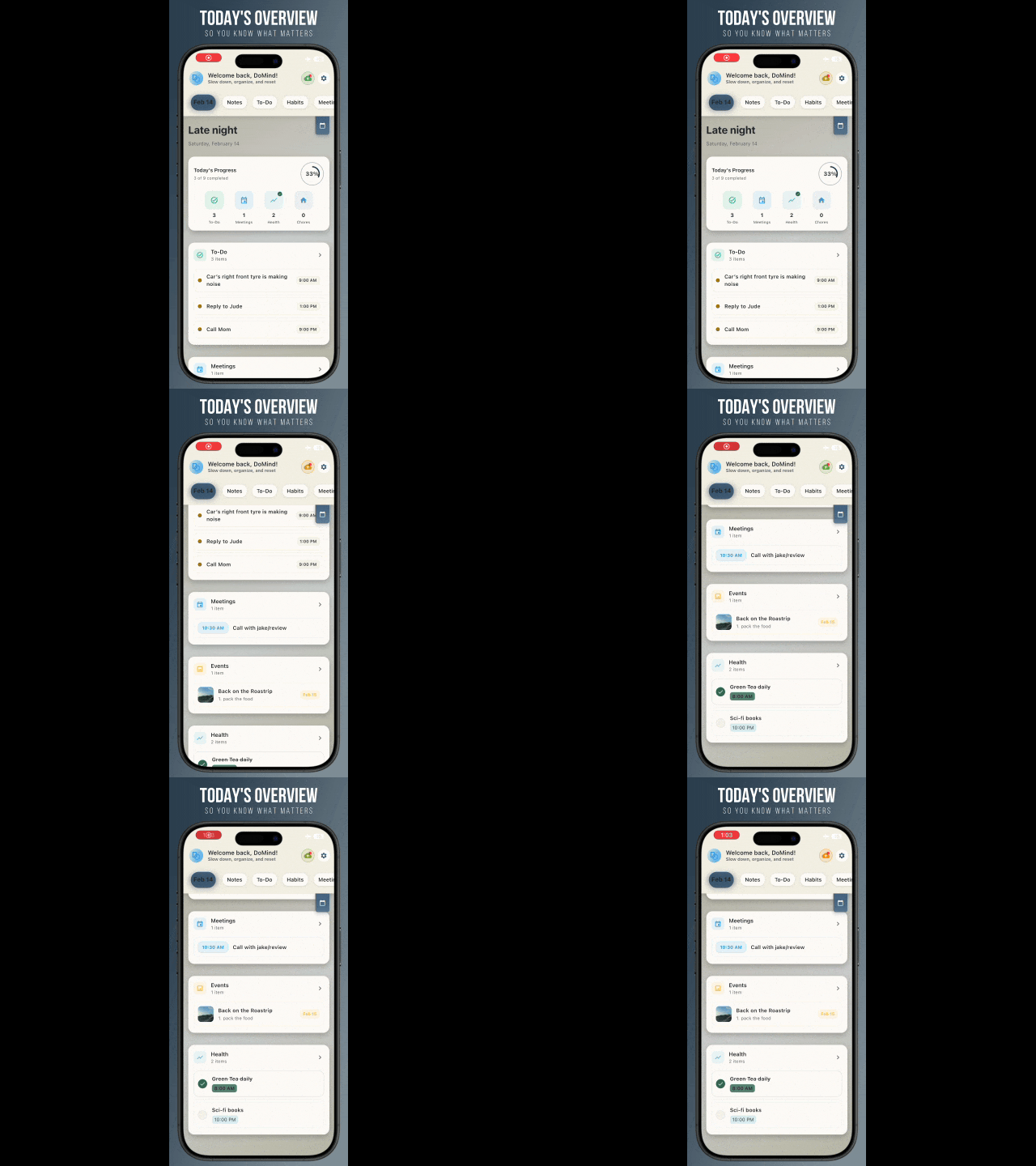
A clean visual planner designed for focus and calm.
Your life, organized
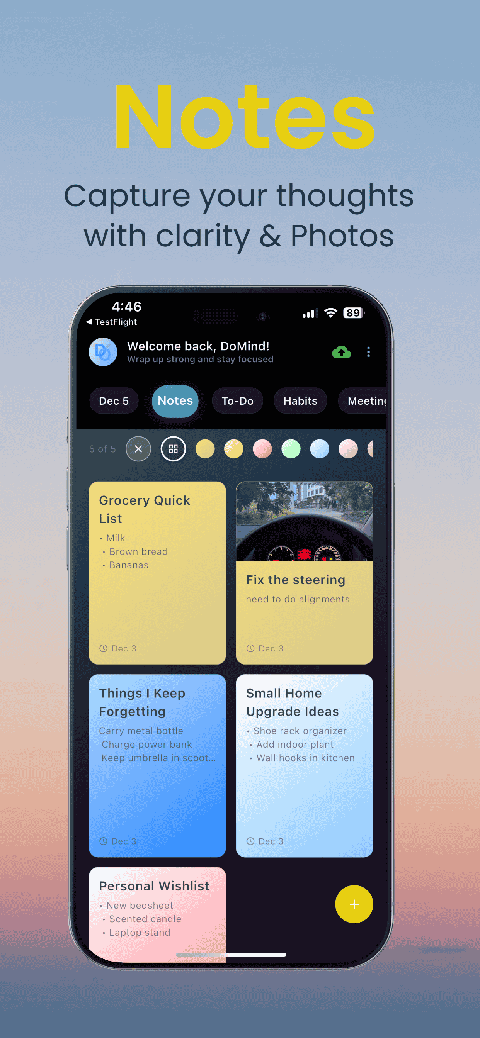
Visual notes
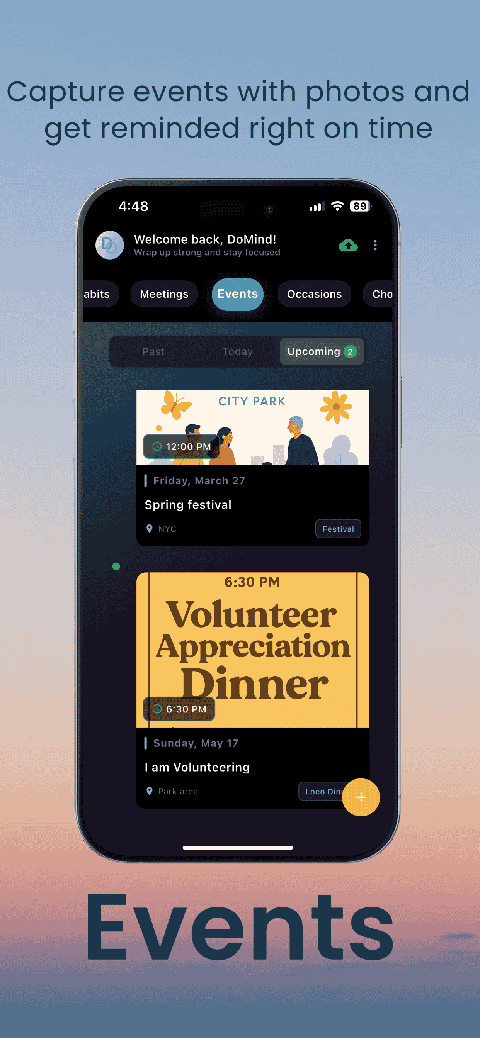
Plan events
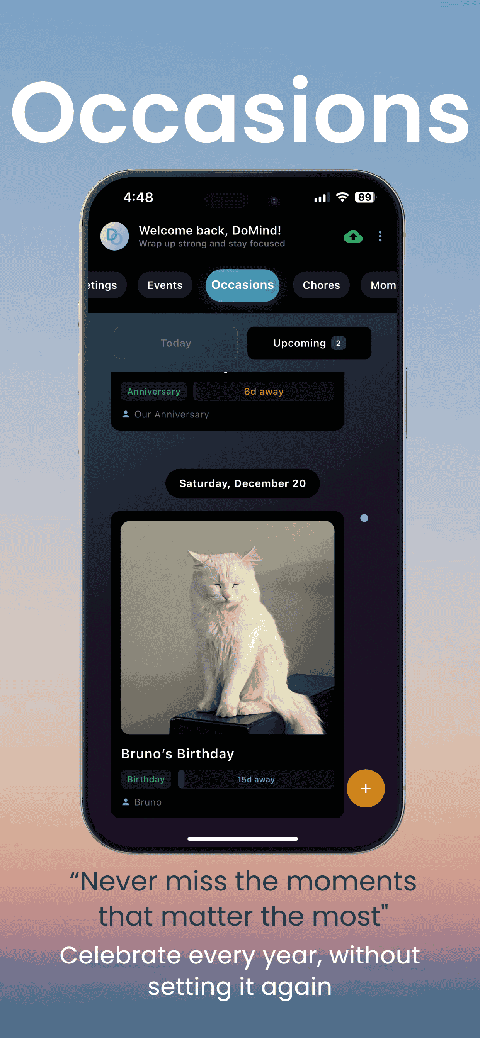
Private memories
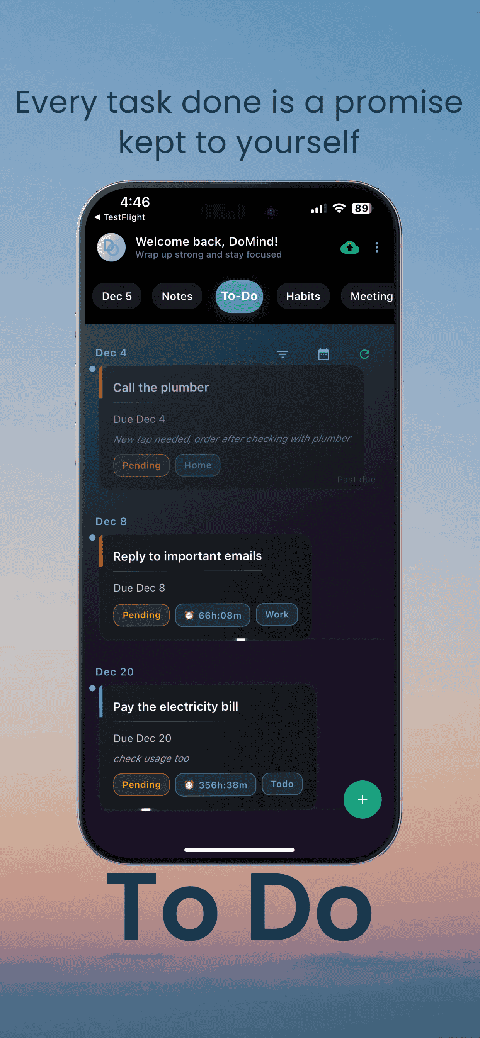
Manage tasks visually
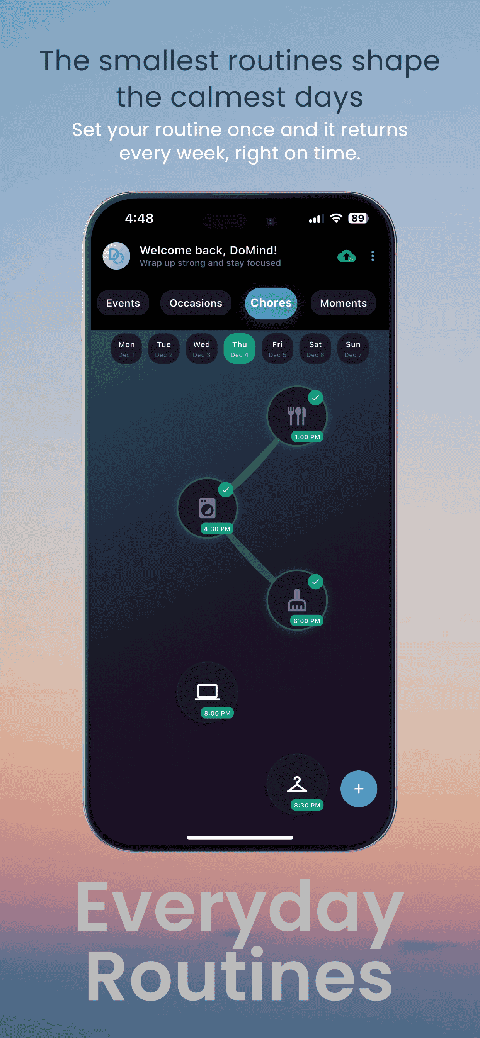
Choose themes
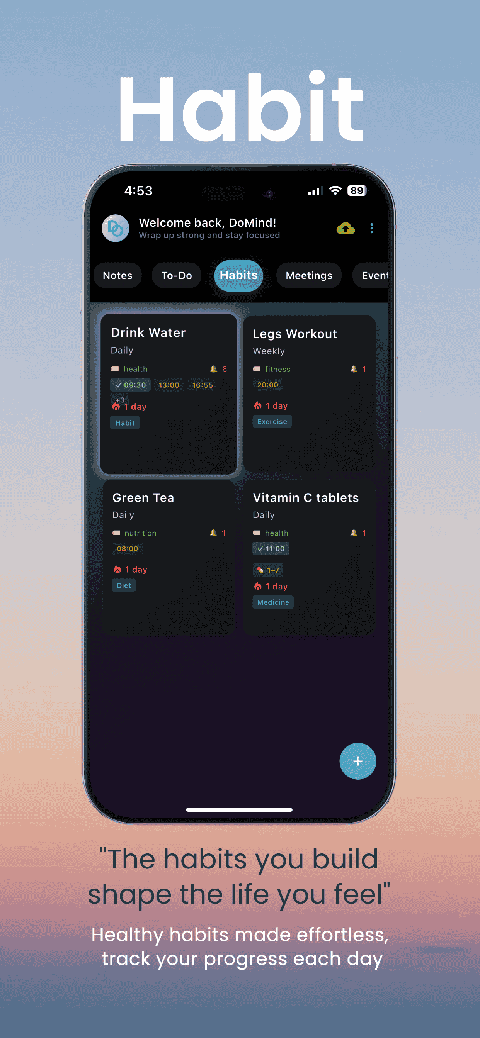
Track habits
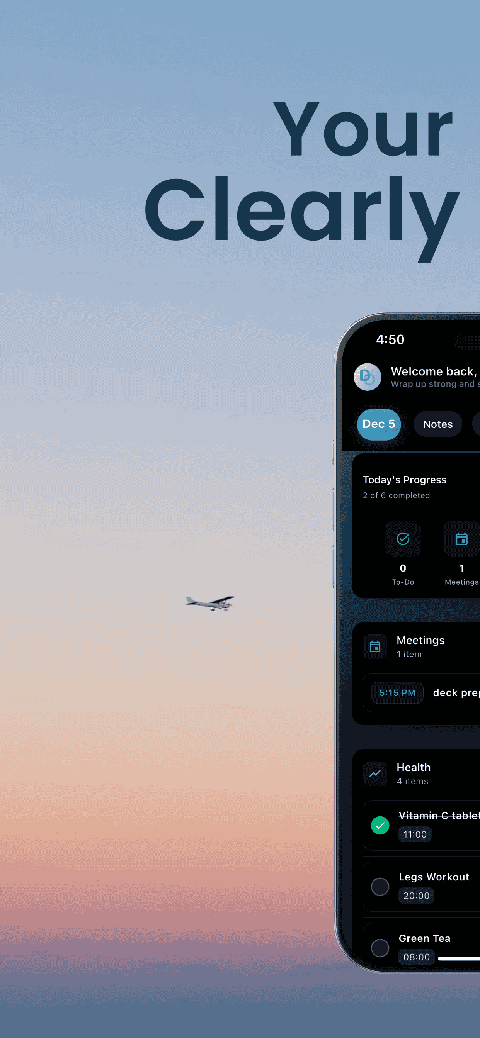
Organize routines
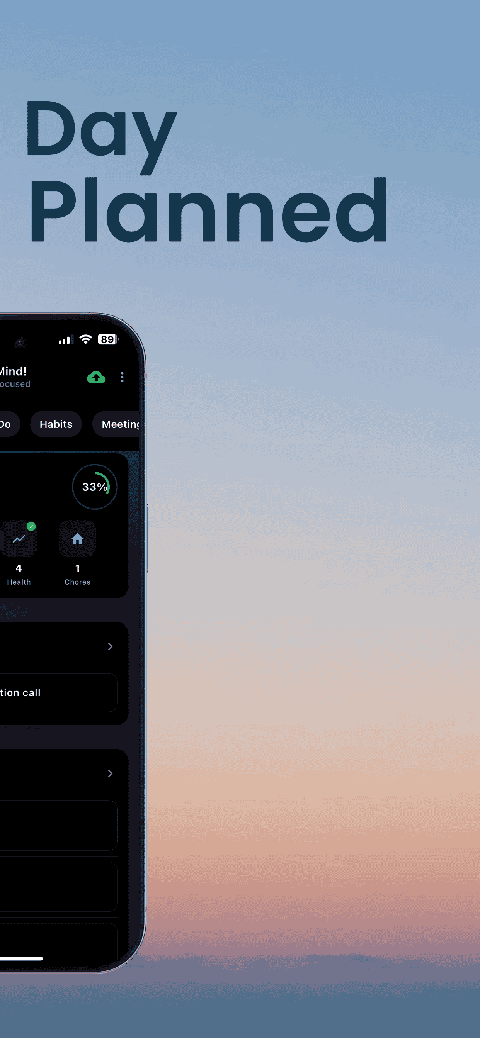
Visual experience
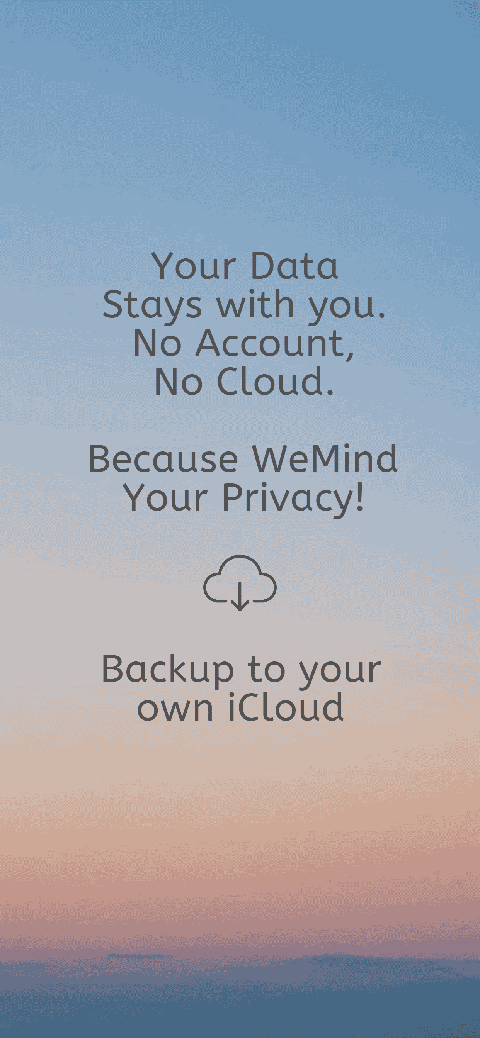
Calm interface
Standard planners feel like a wall of text. They trigger overwhelm.
Download DoMind free — the visual planner that respects your privacy.