Many people want to reduce or quit social media but struggle with the addictive design of endless feeds. The right tools can help rebuild healthier digital habits.
Social media platforms were originally created to connect people.
Over time, many of these platforms evolved into attention-driven ecosystems built around endless scrolling and algorithmic feeds.
Instead of meaningful interactions, users often find themselves consuming large amounts of content passively.
This experience can lead to fatigue, distraction, and a sense that time is being lost without meaningful value.
As a result, more people are searching for ways to reduce or completely leave social media platforms.
Finding the right tools to quit social media can make this transition much easier.
Quitting social media is rarely as simple as deleting an app.
Many people open social platforms automatically during idle moments.
These habits develop gradually over time.
Notifications, endless feeds, and recommendation algorithms encourage repeated engagement.
This design can make social media feel difficult to step away from.
Using dedicated quit social media tools can help interrupt these automatic behaviors.
Instead of relying only on willpower, individuals can use tools that support healthier digital habits.
Many digital habits follow a predictable pattern.
A trigger occurs, such as boredom or curiosity.
This trigger leads to opening a social media app.
The app then delivers new content, which provides stimulation or emotional reactions.
This cycle reinforces the habit.
Breaking this pattern often requires replacing the behavior rather than simply removing it.
A good break social media habit strategy focuses on introducing alternative activities.
One effective way to quit social media is to replace passive scrolling with more intentional digital activities.
Instead of consuming endless content streams, individuals can use tools that support creativity, reflection, and organization.
These alternatives allow technology to serve personal goals rather than simply capturing attention.
Examples of healthier digital activities include:
When users replace passive scrolling with these activities, the urge to return to social feeds often decreases.
Several types of tools can help people reduce social media usage.
Each tool supports a different part of the transition away from endless scrolling.
Common categories of tools include:
Using a combination of these tools can significantly reduce dependence on social media.
Many people turn to social media during moments of boredom or downtime.
If these moments remain empty after quitting social media, users may eventually return to old habits.
This is why replacing the activity is important.
Instead of scrolling through feeds, users can interact with tools that encourage personal thinking and reflection.
An alternative to social media scrolling often involves creating or organizing information rather than consuming it.
DoMind provides a different type of digital environment.
Instead of endless feeds, the app focuses on personal information.
Users interact with their own notes, habits, and life moments.
This shift transforms how attention is used.
Rather than viewing algorithmic content streams, users focus on their own experiences and ideas.
This change helps create a healthier relationship with technology.
One feature of DoMind allows users to capture moments from their lives.
Photos and written reflections can be stored together in entries.
These entries form a personal timeline of experiences.
Instead of scrolling through content created by strangers, users can revisit meaningful events from their own lives.
This practice encourages reflection and appreciation of personal experiences.
Idle moments often trigger social media usage.
People waiting in lines, commuting, or relaxing at home may instinctively open social apps.
Replacing this behavior with idea capture can be powerful.
Writing down thoughts, questions, or creative ideas transforms idle time into meaningful reflection.
Over time, these captured ideas form a valuable personal knowledge archive.
Habits play a major role in digital behavior.
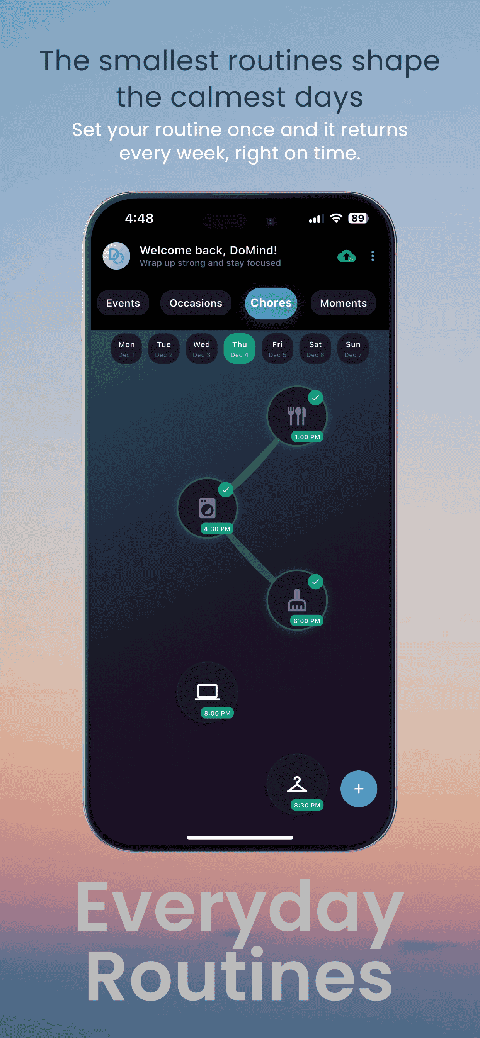
Replacing social media with healthier routines can gradually reduce the urge to scroll.
Habit tracking tools help reinforce these routines.
For example, users might build habits such as:
These habits shift attention away from external feeds toward personal growth.
Endless scrolling can reduce the ability to concentrate deeply.
Constant exposure to short pieces of content trains the brain to expect frequent stimulation.
When individuals reduce social media usage, they often notice improvements in focus.
Activities such as writing, reflection, and planning require longer attention spans.
These activities gradually rebuild deeper thinking habits.
Quitting social media does not mean abandoning technology entirely.
Technology can still provide powerful tools for learning, creativity, and organization.
The key difference lies in intention.
Instead of apps competing for attention, individuals can choose tools that support their goals.
A thoughtful selection of quit social media tools helps create a healthier digital environment.
Time spent on social media often accumulates unnoticed.
A few minutes during breaks, evenings, or before sleep can easily turn into hours.
Reducing this habit can create more time for meaningful activities.
People often use this reclaimed time for learning, creativity, relationships, or reflection.
The transition may feel challenging at first, but many individuals eventually find it liberating.
Choosing to quit or reduce social media is often the beginning of a broader shift.
Individuals begin to think more carefully about how they use technology.
Instead of reacting to notifications and feeds, they design their digital environments intentionally.
Tools that support reflection, habit building, and personal organization become more valuable.
By replacing endless feeds with meaningful tools, individuals can build a more balanced relationship with technology.
Over time, these changes help transform digital life from distraction into a system that supports clarity and growth.
See your entire day visually in one place with DoMind's visual daily planner and task overview.
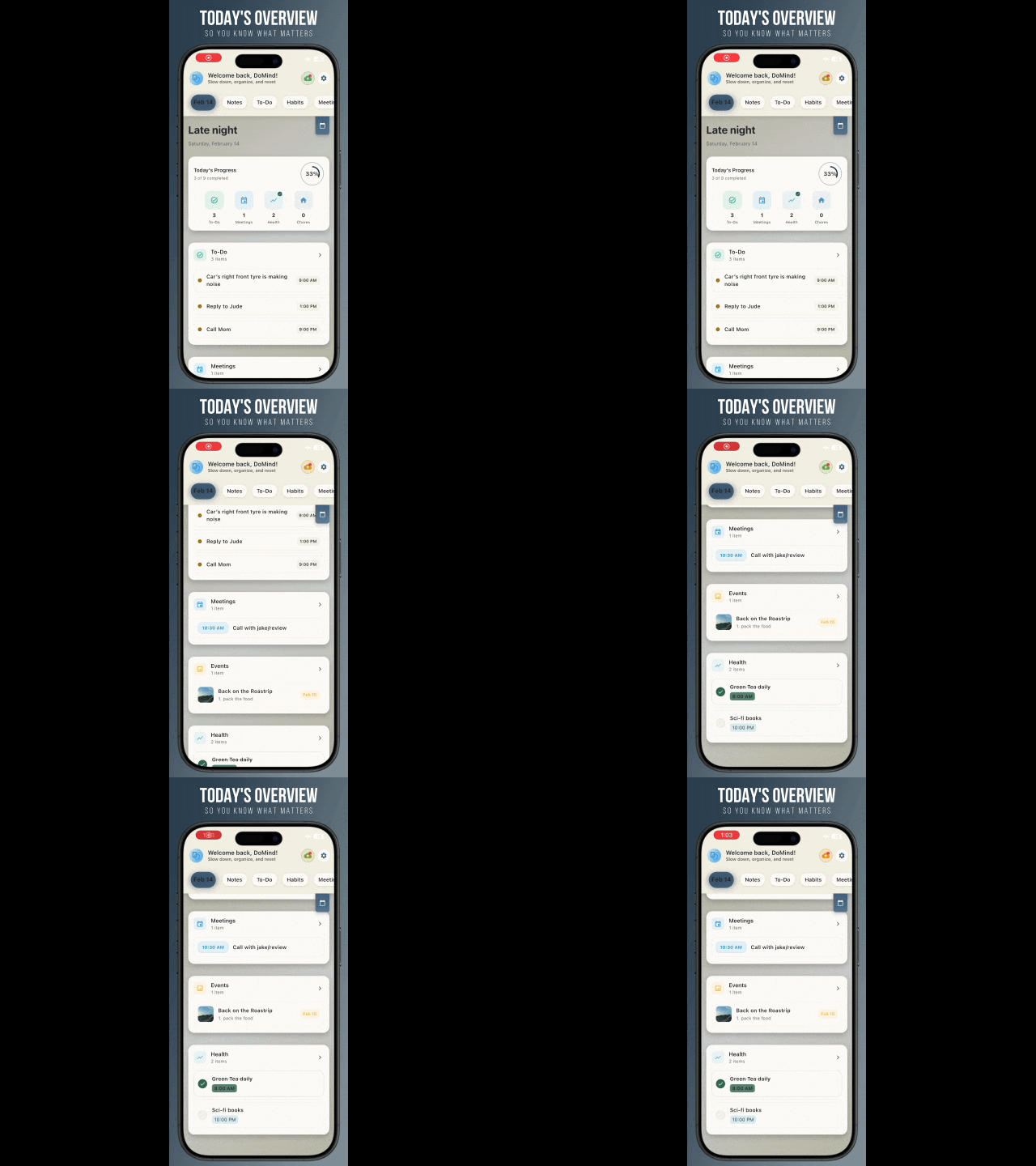
A clean visual planner designed for focus and calm.
Your life, organized
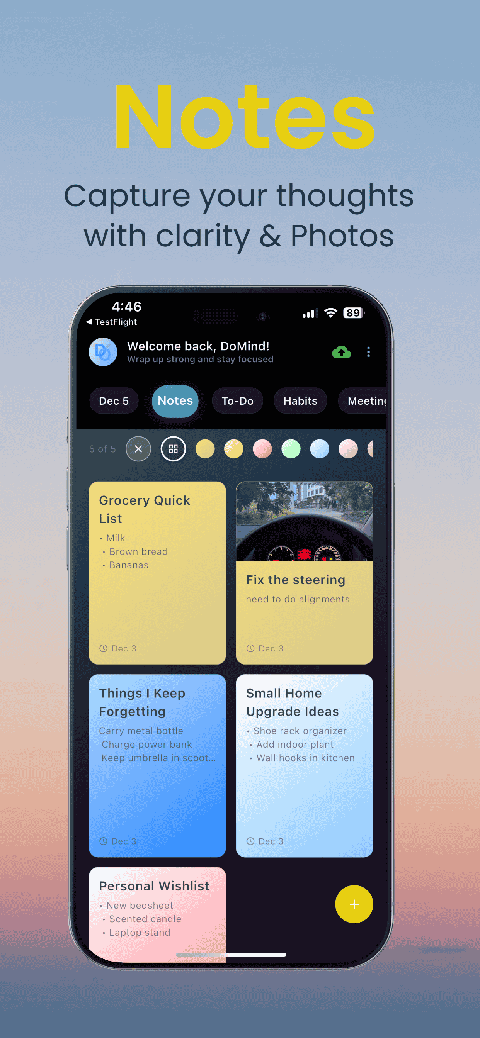
Visual notes
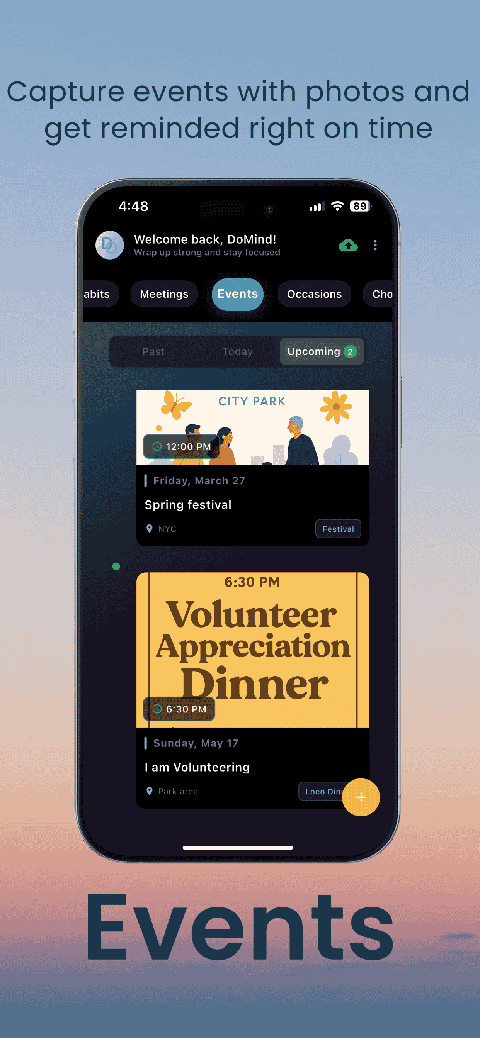
Plan events
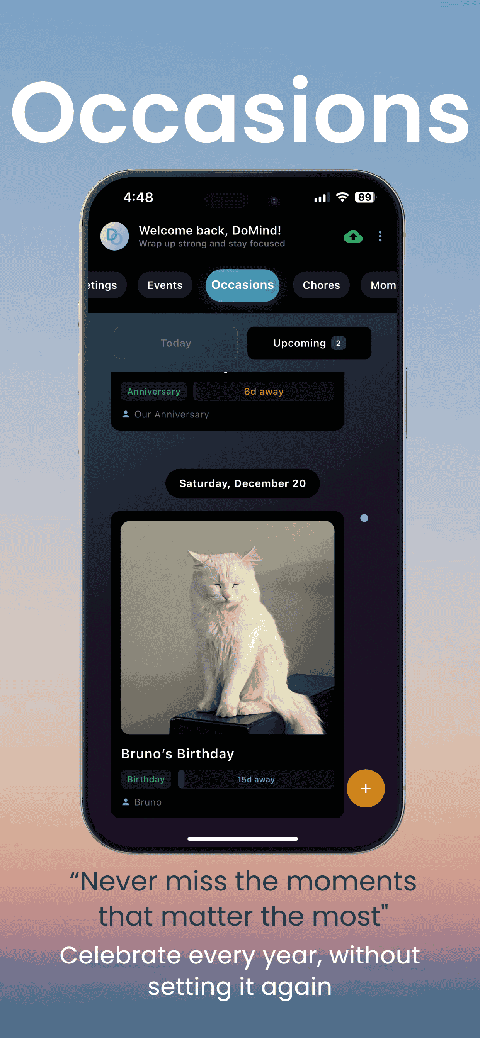
Private memories
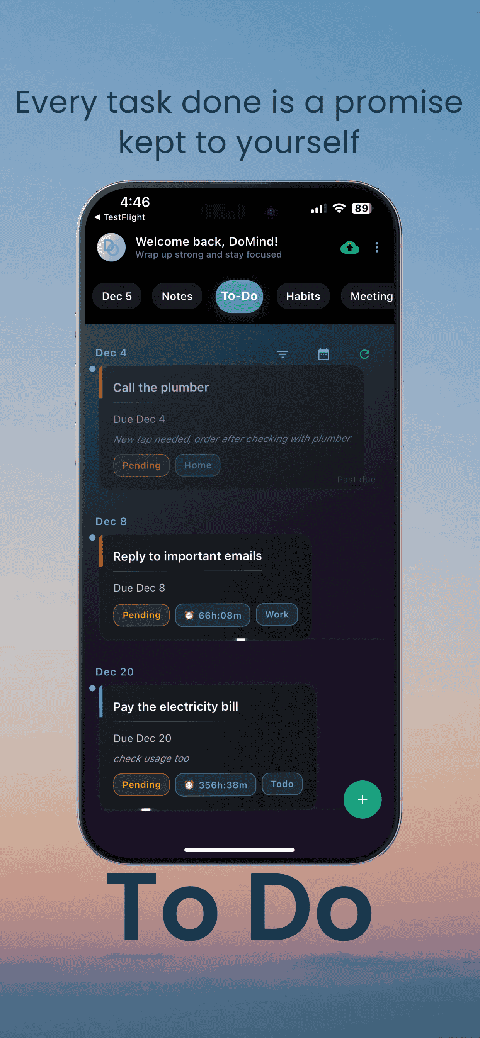
Manage tasks visually
Choose themes
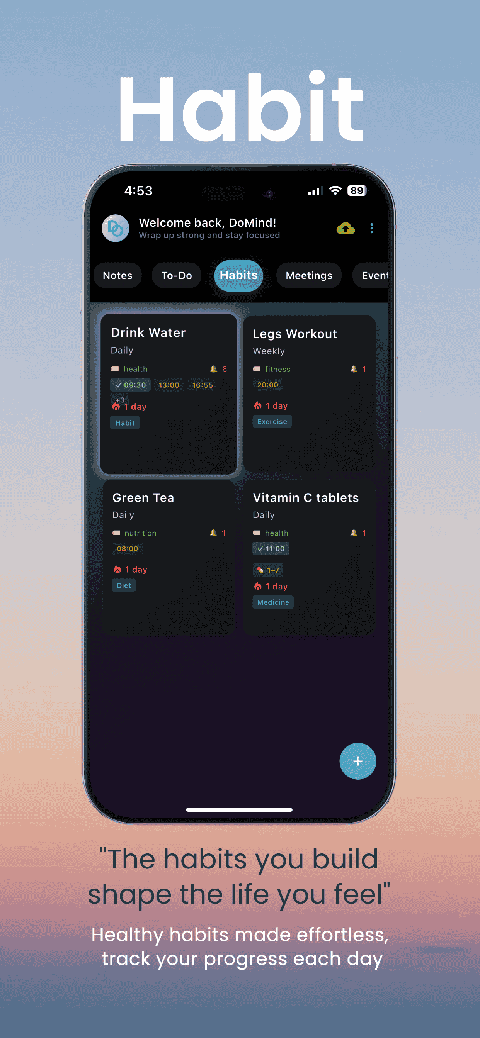
Track habits
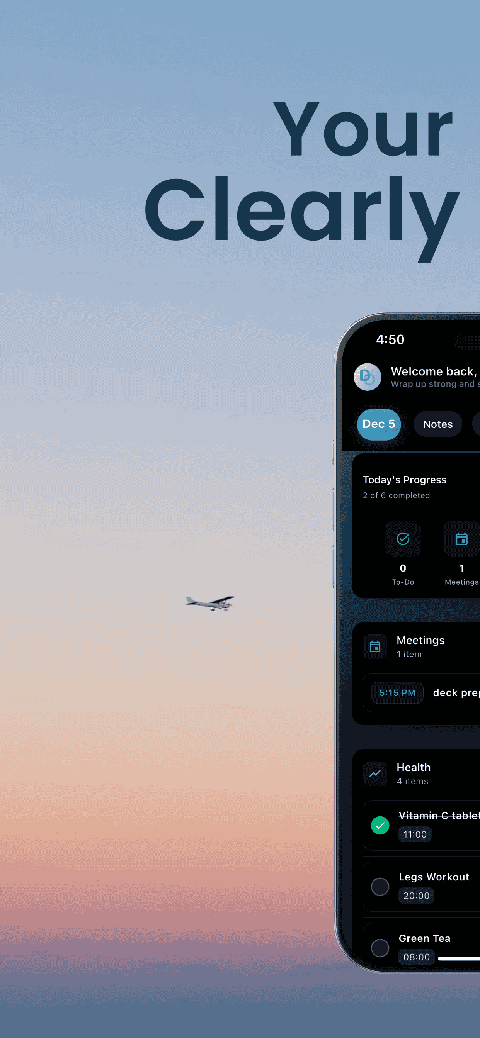
Organize routines
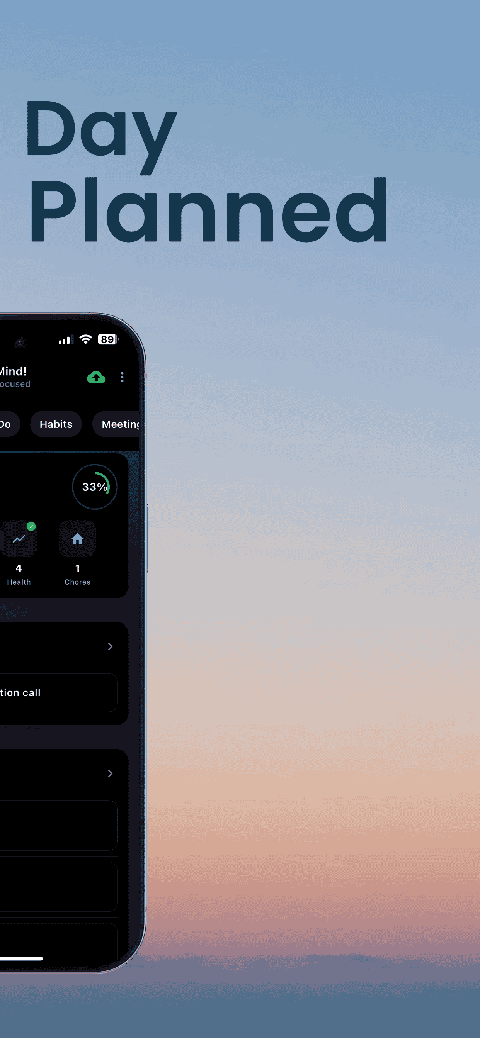
Visual experience
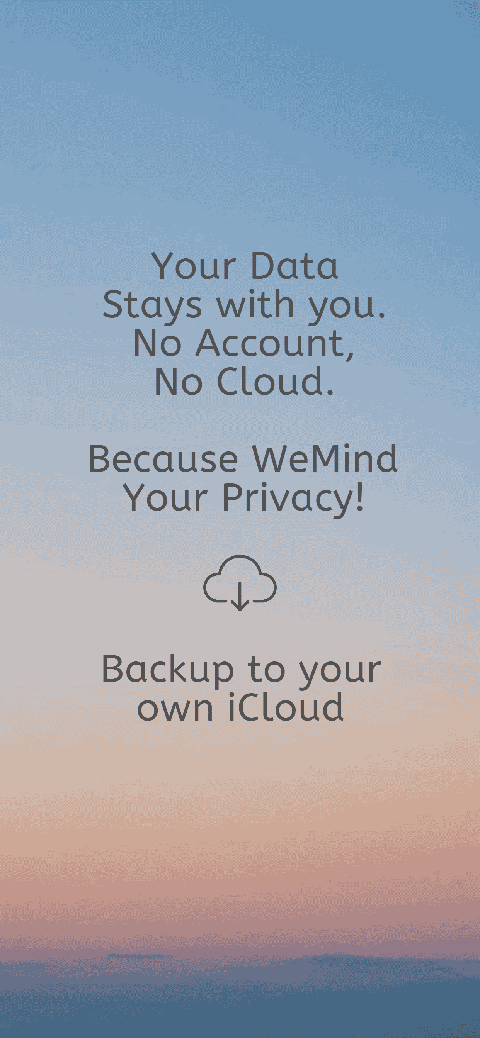
Calm interface
Standard planners feel like a wall of text. They trigger overwhelm.
Download DoMind free — the visual planner that respects your privacy.