A photo journal app helps you capture meaningful moments with images and reflections. Instead of letting photos disappear in your camera roll, they become part of a visual story of your life.
A photo journal app allows people to document their lives through images and written reflections.
Instead of simply storing photos in a camera roll, each image becomes part of a meaningful story.
Moments can be captured, described, and organized chronologically.
This transforms everyday photos into a personal record of experiences.
A photo journal app works like a digital diary where images and thoughts combine to preserve memories.
Over time, these entries form a visual timeline of life events.
Modern smartphones allow people to capture thousands of photos each year.
However, most of these images remain stored in camera roll folders without context.
When looking back at photos months later, it can be difficult to remember the details behind them.
Where was the photo taken?
What was happening that day?
Why was the moment meaningful?
A photo diary app solves this problem by allowing users to attach reflections and notes to images.
This gives photos emotional context that makes them easier to remember.
Humans process images faster than text.
Photos can instantly trigger memories of places, people, and experiences.
Because of this, visual records often become powerful tools for reflection.
A single photo can bring back an entire experience.
When combined with written reflections, the memory becomes even stronger.
A visual diary app takes advantage of this connection between images and memory.
Each entry becomes a combination of visual and emotional documentation.
For centuries, people used handwritten journals to record life experiences.
Some journals included photographs, drawings, or mementos.
These diaries helped individuals reflect on their lives and remember important events.
Digital technology has expanded this concept dramatically.
Instead of writing long entries by hand, users can capture photos instantly and attach reflections.
This creates a faster and more convenient way to maintain a journal.
A daily photo journal allows people to record experiences in real time.
Life is filled with small moments that are easy to overlook.
Some experiences feel ordinary when they happen but become meaningful when remembered later.
A photo journal allows these moments to be preserved.
Examples of entries might include:
Over time, these moments create a rich visual story of everyday life.
Many people use social media platforms to share photos.
While these platforms allow images to be posted easily, they often introduce new challenges.
Social media environments are driven by engagement metrics such as likes, comments, and follower counts.
This can influence how people choose which photos to share.
Images may be selected based on how they will perform rather than how meaningful they are.
A private photo journal app removes this pressure.
Photos are captured for personal reflection rather than public approval.
One of the most powerful aspects of a photo journal is its timeline structure.
Entries appear chronologically, allowing users to see their experiences unfold over time.
Months or years later, the timeline becomes a visual archive.
Looking back through old entries can reveal how life has evolved.
Trips, celebrations, and personal achievements appear as milestones within the timeline.
A memory photo journal transforms scattered images into a coherent narrative.
DoMind provides a calm environment for capturing moments and documenting experiences.
Instead of storing photos randomly, users can create moment entries that represent specific events.
Each entry can include multiple photos along with written reflections.
This allows users to describe what happened, why it mattered, and how the experience felt.
These entries are then organized into a visual timeline.
Over time, the timeline becomes a personal archive of memories.
One advantage of a photo journal is the ability to combine images with written context.
Photos capture the visual aspect of a moment.
Reflections capture the emotional and personal meaning behind it.
This combination makes entries far more memorable.
For example, a travel photo might include a short reflection describing:
This additional context transforms a simple photo into a lasting memory.
As entries accumulate, the photo journal gradually becomes a memory archive.
Looking back through past moments can reveal patterns and milestones.
Users may rediscover experiences that were forgotten over time.
The archive might include:
This archive provides a meaningful record of personal history.
Many modern apps compete aggressively for attention.
Notifications, recommendations, and algorithmic feeds constantly attempt to keep users engaged.
A photo journal app works differently.
Instead of pulling users into endless scrolling, it quietly supports reflection.
Users open the app intentionally when they want to capture a moment.
This creates a calmer and more mindful relationship with technology.
Life moves quickly.
Without a system for recording memories, many meaningful moments fade from memory.
A photo journal app provides a simple way to preserve these experiences.
Each entry becomes part of a visual story that unfolds over time.
Instead of disappearing into camera roll folders, photos become part of a narrative.
In a digital world filled with fast-moving content streams, a personal photo journal offers something different.
A place where moments can be captured, remembered, and revisited long after they happen.
See your entire day visually in one place with DoMind's visual daily planner and task overview.

A clean visual planner designed for focus and calm.

Your life, organized
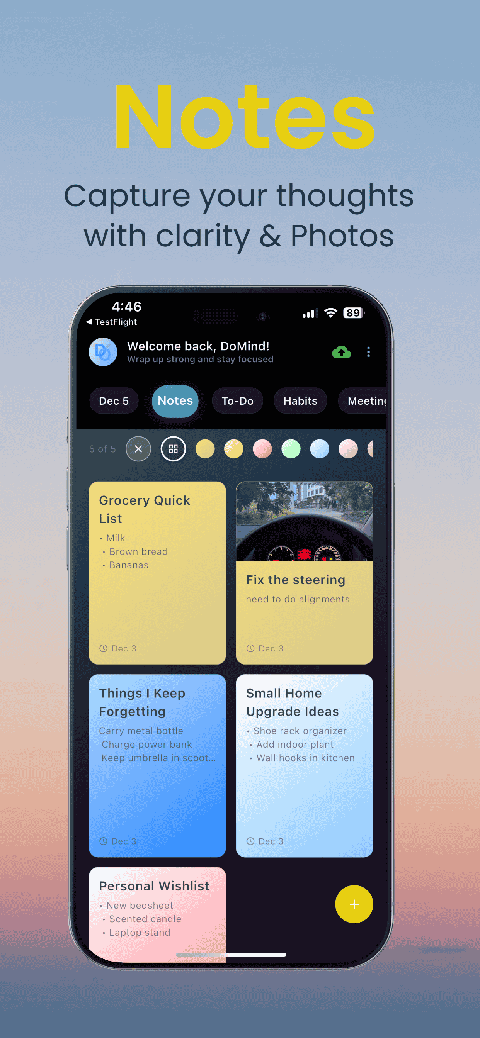
Visual notes

Plan events

Private memories

Manage tasks visually

Choose themes
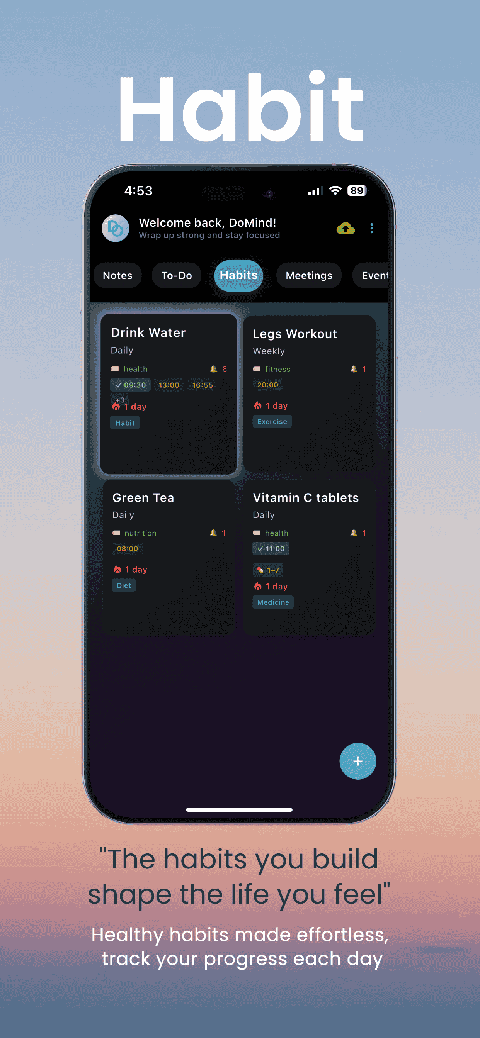
Track habits

Organize routines

Visual experience
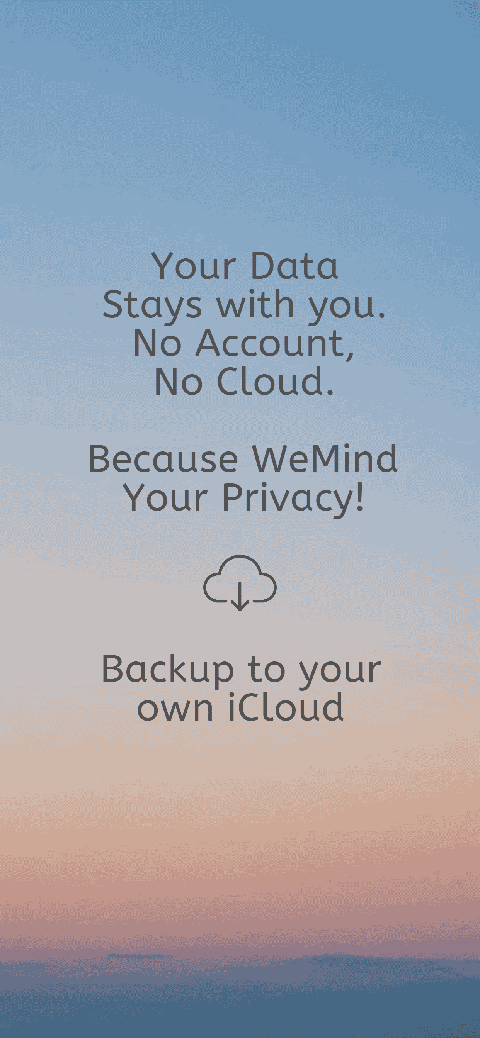
Calm interface
Standard planners feel like a wall of text. They trigger overwhelm.
Download DoMind free — the visual planner that respects your privacy.