A personal operating system is a structured way to organize habits, ideas, notes, and life decisions within one unified system.
A personal operating system is a structured framework used to organize different areas of life.
The concept comes from computer operating systems, which manage processes, memory, and resources so a computer can function smoothly.
In a similar way, a personal system helps individuals manage their ideas, habits, routines, and information.
Instead of reacting to life randomly, people can build a system that supports their goals and priorities.
A personal operating system provides a foundation for managing information, decisions, and actions in a clear and structured way.
Modern life involves managing many streams of information.
Tasks, ideas, notes, projects, and experiences all compete for attention.
Without a system, these pieces often remain scattered.
This fragmentation can lead to confusion and mental overload.
A life operating system app provides a central place where these pieces can come together.
When information is organized within one system, it becomes easier to navigate daily life.
Many productivity tools focus on individual functions.
Some apps manage tasks, while others store notes or track habits.
While these tools can be useful, they often operate independently.
A system is different.
A system connects different parts of life into a cohesive structure.
A personal productivity system allows habits, notes, ideas, and experiences to interact with each other.
This integration creates a more complete picture of life.
Every personal system includes several essential components.
While each person may design their system differently, many include elements such as:
A digital life system app allows these components to exist together.
This unified structure reduces fragmentation.
Ideas often appear unexpectedly.
Without a system for capturing them, these ideas may disappear quickly.
A personal operating system should include a place where ideas can be stored.
This may include notes about books, conversations, or creative thoughts.
Over time, these notes accumulate into a personal knowledge base.
An organize life system approach allows ideas to remain connected rather than scattered.
Habits shape daily life.
Small repeated actions gradually influence health, productivity, and personal growth.
However, habits require consistency.
Tracking routines can help reinforce these behaviors.
A personal operating system app may include habit tracking tools that allow users to monitor their routines.
Over time, these routines become the foundation of personal development.
Most people pursue projects beyond their daily responsibilities.
These projects might involve creative work, learning goals, or personal improvement.
Without organization, projects often remain unfinished.
A personal operating system allows users to record project ideas and track progress.
By writing down steps and reflections, users create a clear path forward.
A personal system is not only about productivity.
It also helps document life experiences.
Trips, celebrations, achievements, and meaningful moments contribute to personal growth.
Recording these moments allows individuals to revisit them later.
A personal operating system can include life documentation tools that capture memories alongside notes and routines.
DoMind offers tools that help users build a personal system for managing life.
Within one environment, users can track habits, capture notes, and record life moments.
This combination creates a flexible structure that supports different needs.
Instead of juggling multiple apps, users can manage important aspects of life within one system.
This unified approach simplifies organization.
Systems become easier to maintain when information is visually clear.
Complex interfaces often discourage consistent use.
A personal operating system app benefits from simple visual structure.
Users should be able to navigate ideas, habits, and notes quickly.
This clarity reduces friction and supports better thinking.
Many people carry dozens of unfinished thoughts throughout the day.
Tasks, ideas, and reminders compete for attention.
This mental juggling can become exhausting.
A personal operating system moves these thoughts into an external structure.
Once information is recorded, the brain no longer needs to store it.
This creates more mental space for focus.
A personal operating system is not static.
As life changes, the system evolves.
New habits may appear, projects may shift, and priorities may change.
A flexible system allows individuals to adapt.
A build personal operating system approach focuses on long-term sustainability.
The system should support growth rather than restrict it.
When ideas, habits, and memories exist separately, it becomes difficult to see patterns.
A personal operating system connects these elements.
Ideas may influence projects.
Habits may influence productivity.
Experiences may influence future decisions.
By connecting these pieces, individuals gain deeper insight into their lives.
The ultimate purpose of a personal operating system is clarity.
When life information is organized into a system, decisions become easier.
People can see what matters most.
They can focus their attention on meaningful work and experiences.
A personal operating system therefore becomes more than a productivity tool.
It becomes a framework for living intentionally.
See your entire day visually in one place with DoMind's visual daily planner and task overview.
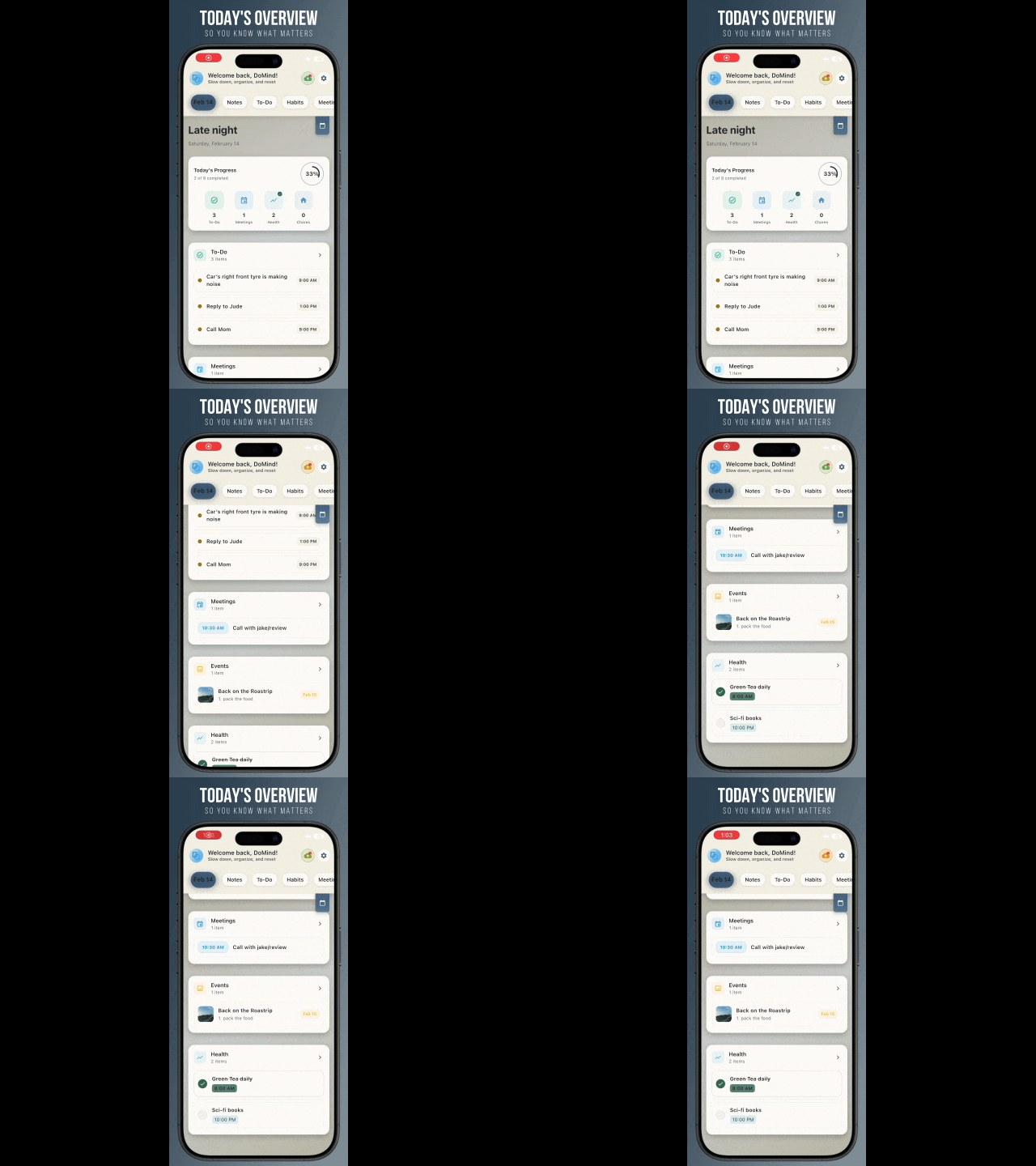
A clean visual planner designed for focus and calm.
Your life, organized
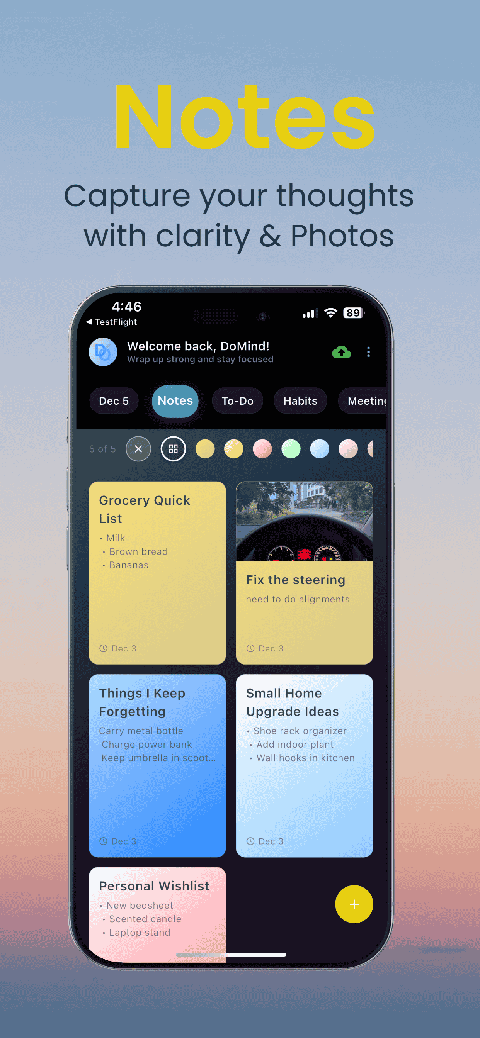
Visual notes

Plan events
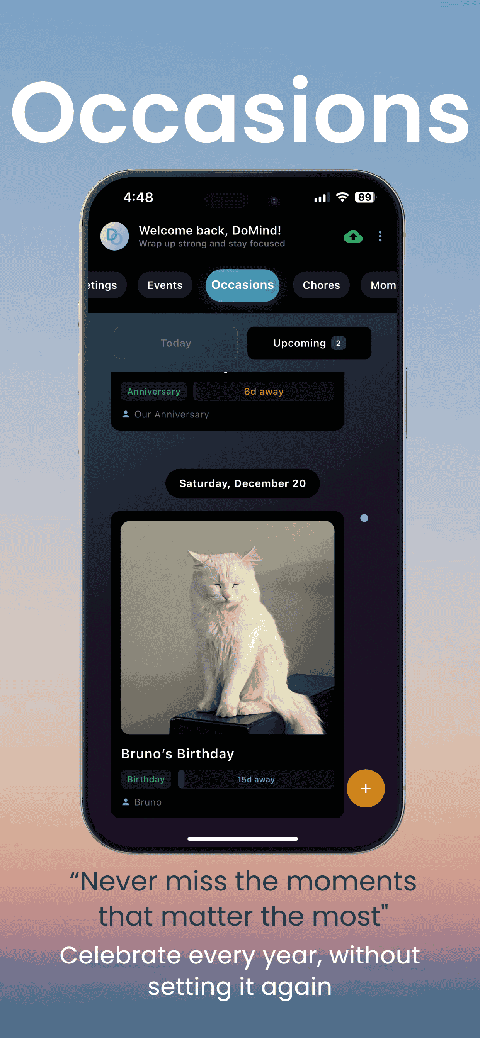
Private memories
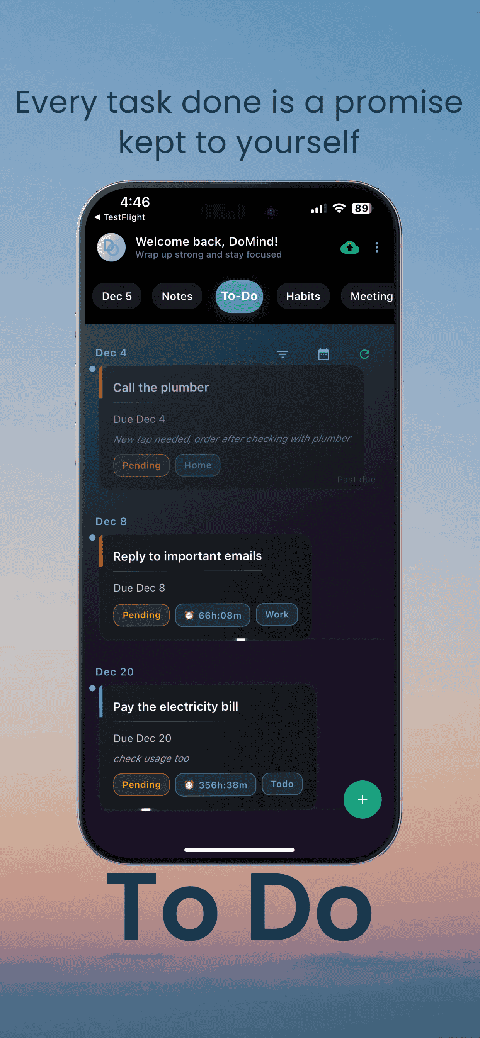
Manage tasks visually
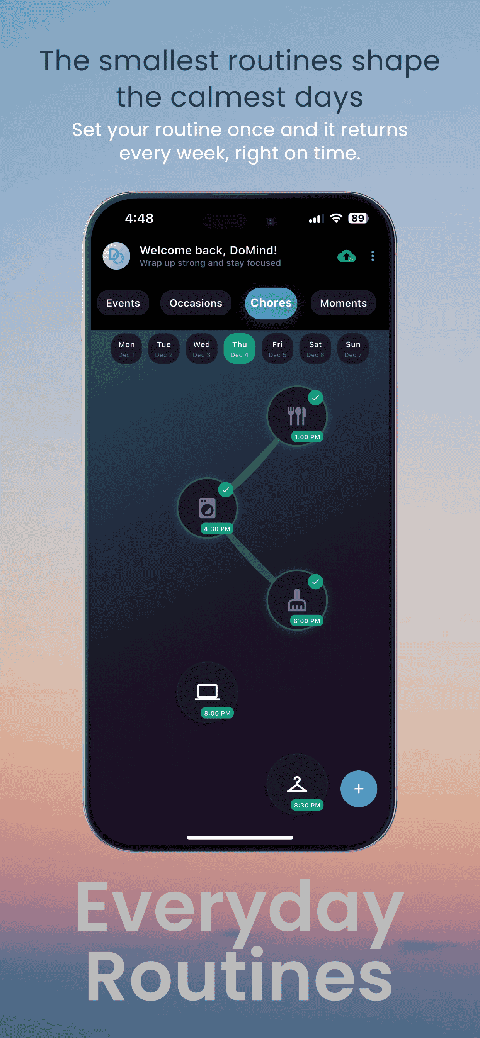
Choose themes
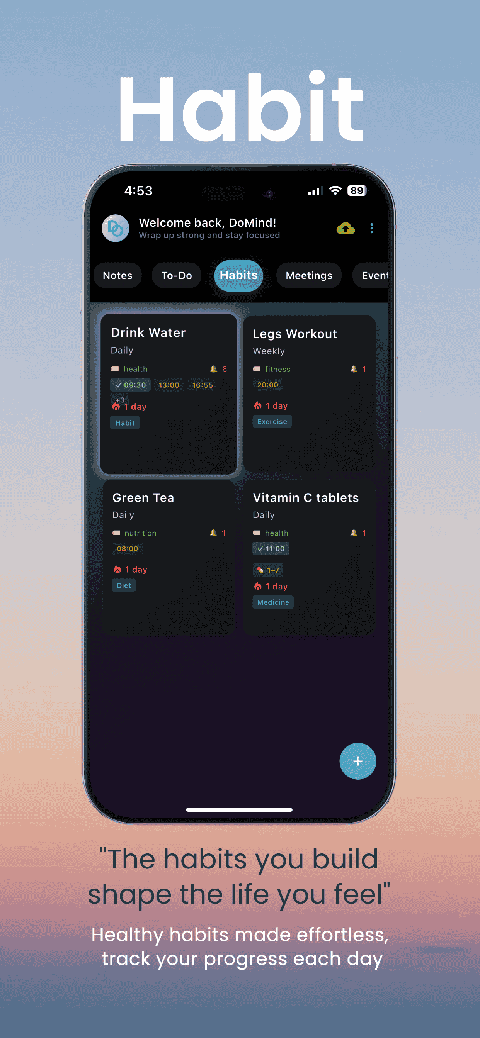
Track habits
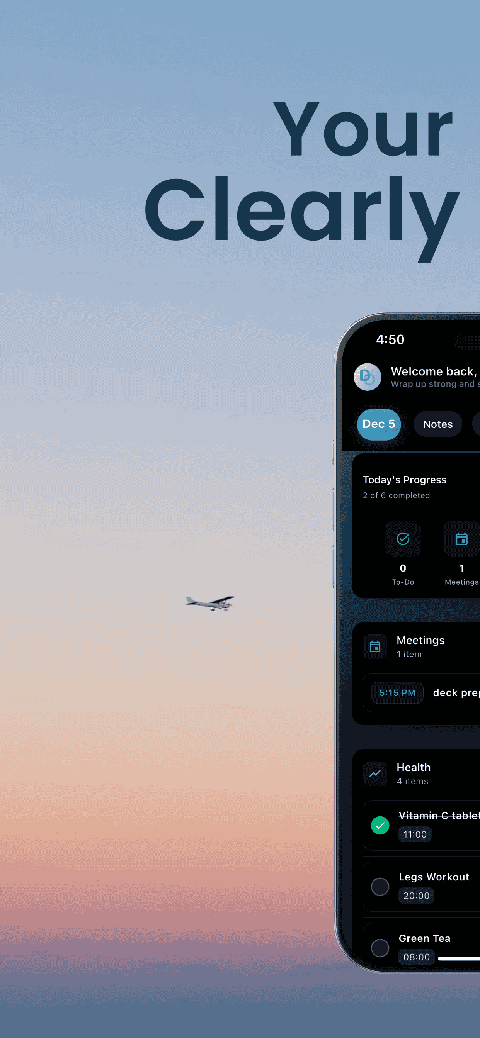
Organize routines
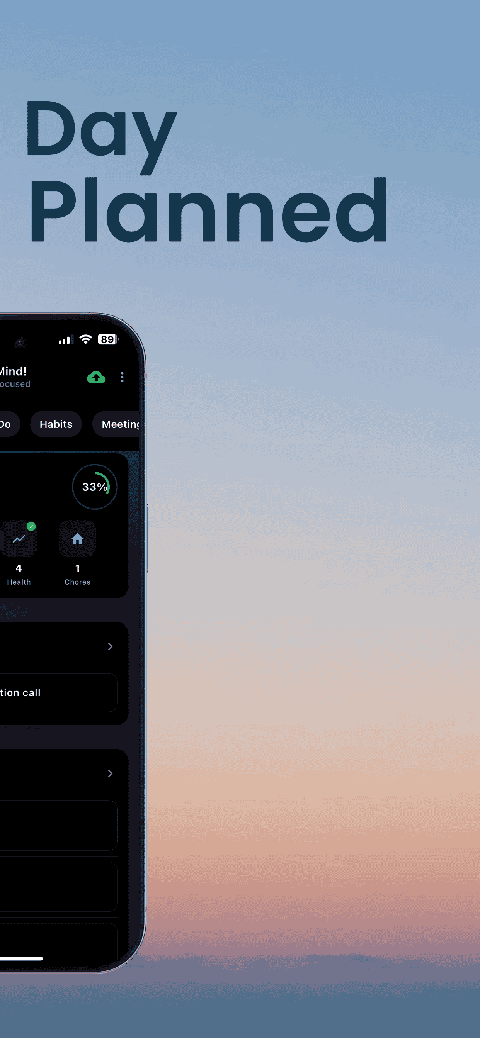
Visual experience
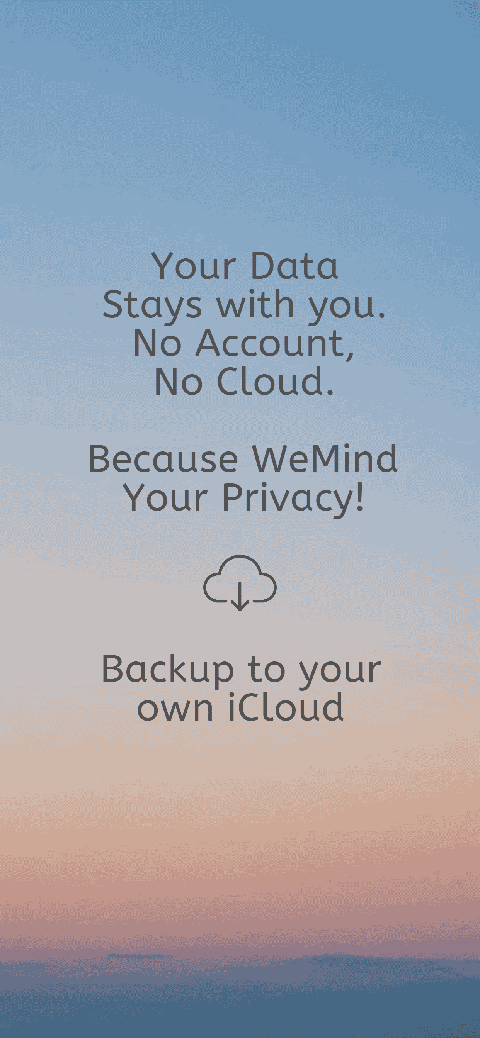
Calm interface
Standard planners feel like a wall of text. They trigger overwhelm.
Download DoMind free — the visual planner that respects your privacy.