A life planning system provides structure for organizing habits, goals, notes, and life direction so decisions become clearer over time.
A life planning system is a structured approach for organizing the different aspects of life.
Instead of reacting to events as they happen, a system helps individuals think intentionally about their routines, goals, and priorities.
Life planning does not mean predicting the future perfectly.
Rather, it means creating a framework that helps guide decisions over time.
A life planning system provides a place where ideas, habits, reflections, and plans can exist together.
This structure helps individuals move through life with greater clarity.
Many people feel overwhelmed by the number of decisions they must make every day.
Without a clear structure, priorities can become blurred.
Important goals may remain vague or forgotten.
A life planning framework helps bring these priorities into focus.
When plans are written down and organized, individuals can see where they are going.
This visibility helps guide daily decisions.
Productivity often focuses on completing tasks.
While tasks are important, they represent only a small part of life.
Planning looks at the bigger picture.
It considers direction, purpose, and long-term priorities.
A life planning tool allows individuals to reflect on what truly matters.
Instead of simply doing more tasks, users can choose tasks that align with their goals.
A well-designed life planning system often includes several interconnected elements.
These elements help individuals organize different aspects of life.
Common components include:
A life organization system brings these components together.
When these areas connect, planning becomes more effective.
Long-term goals provide direction.
They represent the outcomes individuals hope to achieve over time.
However, goals often remain abstract unless they are connected to daily actions.
A life planning system helps translate goals into habits and routines.
For example, a learning goal might lead to a daily reading habit.
A health goal might lead to regular exercise routines.
A plan your life system connects these layers together.
Habits play a major role in turning plans into reality.
Small actions repeated consistently often create larger outcomes.
Instead of relying on motivation alone, habits create stable routines.
A personal life planning app allows users to track these routines.
Over time, these routines reinforce the direction established by long-term plans.
Planning also requires reflection.
Ideas about the future often appear during moments of thinking or conversation.
If these ideas are not captured, they may disappear quickly.
A life planning system should include tools for recording notes.
Users can capture thoughts about goals, plans, or new opportunities.
These notes help refine the planning process.
Experiences also shape planning decisions.
Trips, challenges, and achievements all contribute to personal growth.
Documenting these experiences provides valuable insight.
Looking back at past moments often reveals patterns.
A life planning system can include life documentation alongside planning tools.
This allows experiences to inform future decisions.
DoMind provides tools that help individuals build a personal planning system.
Users can track habits, capture notes, and document life experiences.
These features allow users to organize both present actions and future plans.
By keeping these elements in one place, individuals gain a clearer view of their lives.
This integrated structure supports intentional planning.
Planning becomes easier when information is visually clear.
Complex systems often discourage consistent use.
A life planning tool benefits from simple visual structure.
Users should be able to view habits, ideas, and plans quickly.
This clarity helps individuals understand their progress.
Decision fatigue occurs when individuals must constantly choose between many options.
Without a planning system, daily decisions may feel overwhelming.
A life planning framework reduces this burden.
When priorities are already defined, decisions become easier.
Users simply follow the structure they have created.
A life planning system should not remain rigid.
Life changes constantly.
New goals appear, priorities shift, and experiences reshape perspectives.
A flexible system allows individuals to adjust their plans.
A life organization system should grow alongside the person using it.
Planning is not a one-time event.
It is an ongoing process of reflection and adjustment.
Individuals periodically review their goals, habits, and experiences.
This review helps refine the direction of their lives.
A personal life planning app provides a space where this process can continue.
Users can update plans and ideas as new opportunities appear.
Ultimately, the purpose of a life planning system is clarity.
When individuals understand their goals and routines, they can make decisions with confidence.
Daily actions begin to align with long-term priorities.
This alignment creates a sense of direction.
A life planning system therefore becomes more than a planning tool.
It becomes a framework for living intentionally and shaping the future over time.
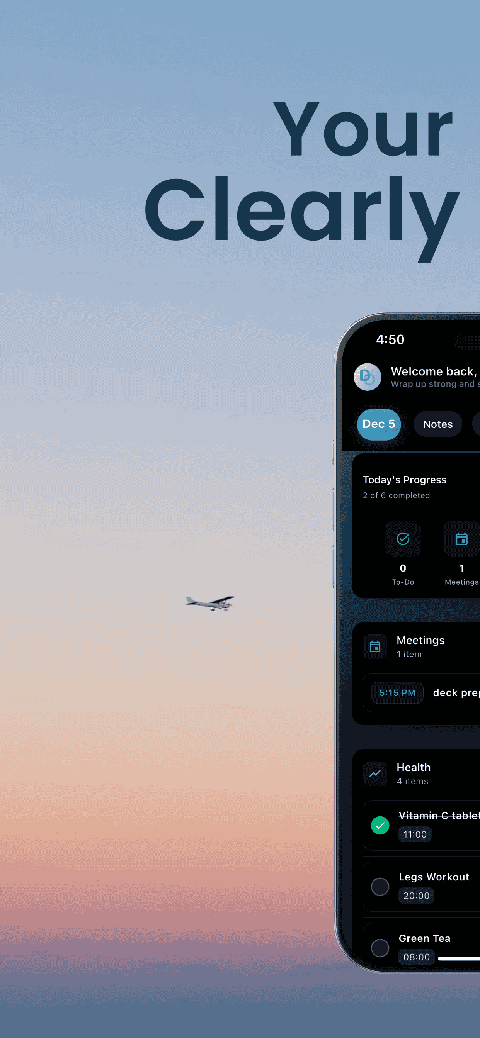
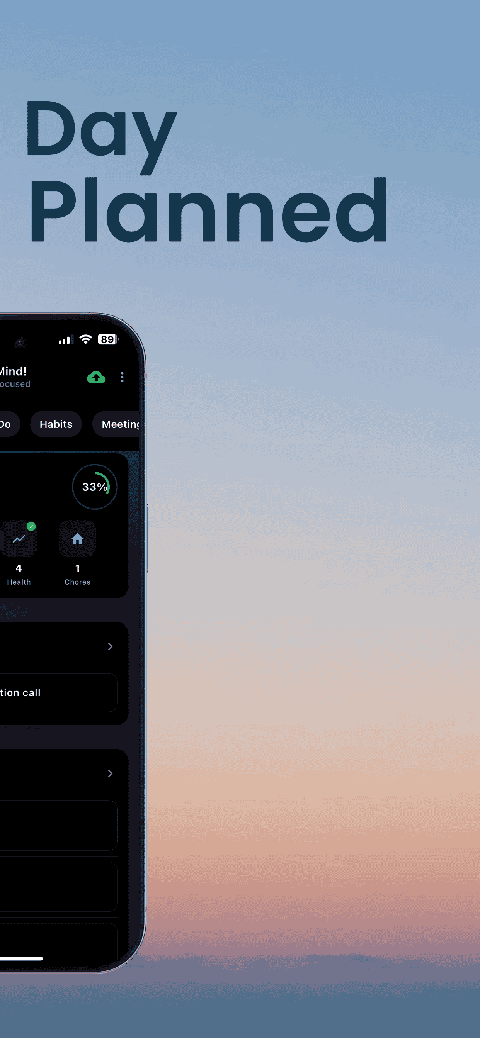
See your entire day visually in one place with DoMind's visual daily planner and task overview.
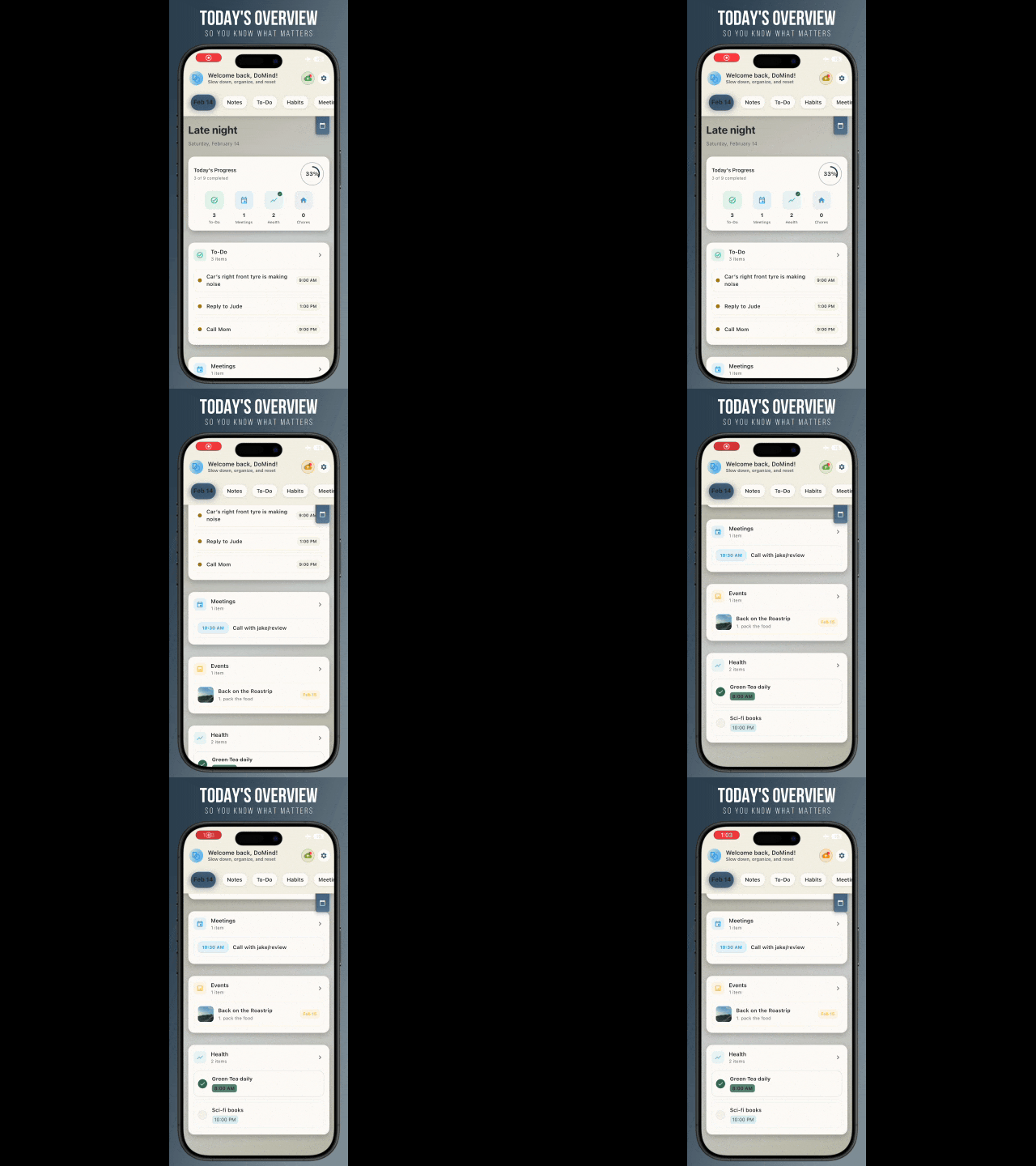
A clean visual planner designed for focus and calm.
Your life, organized
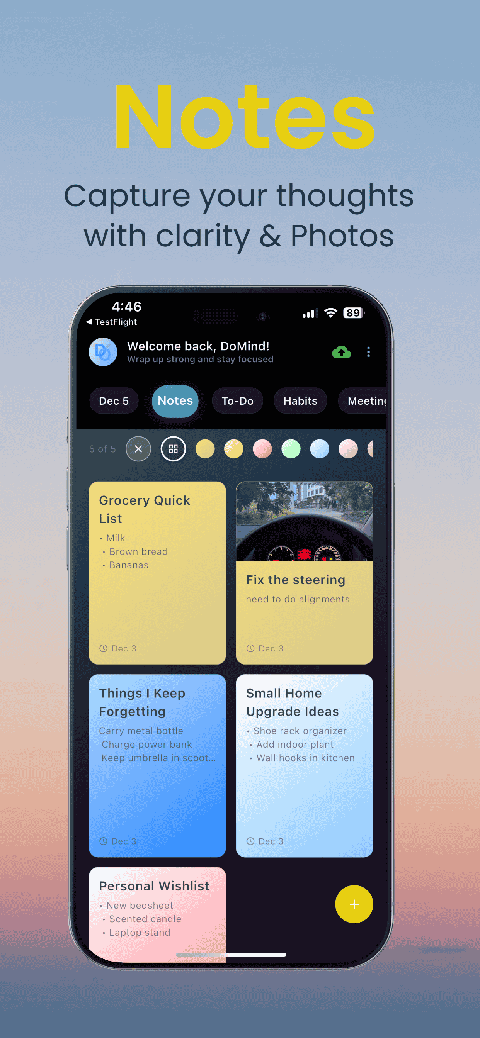
Visual notes

Plan events
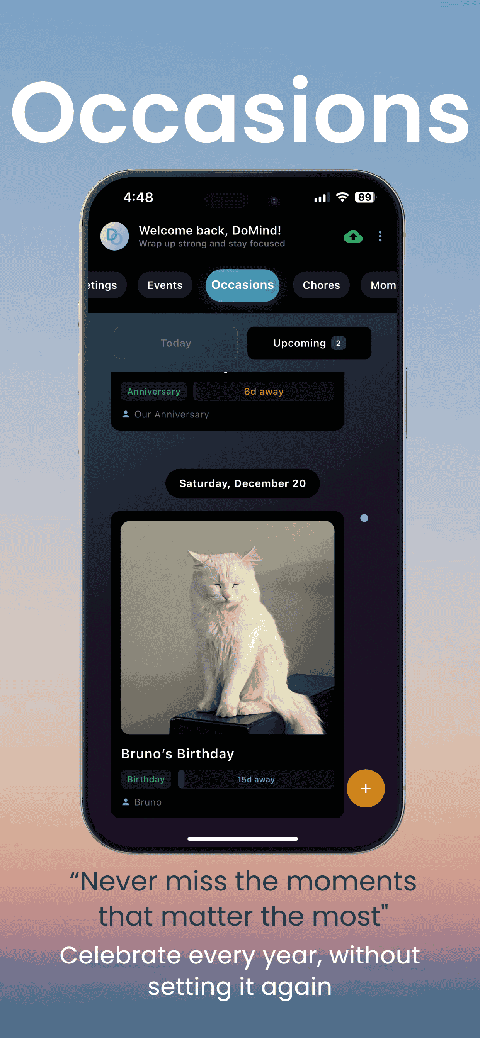
Private memories
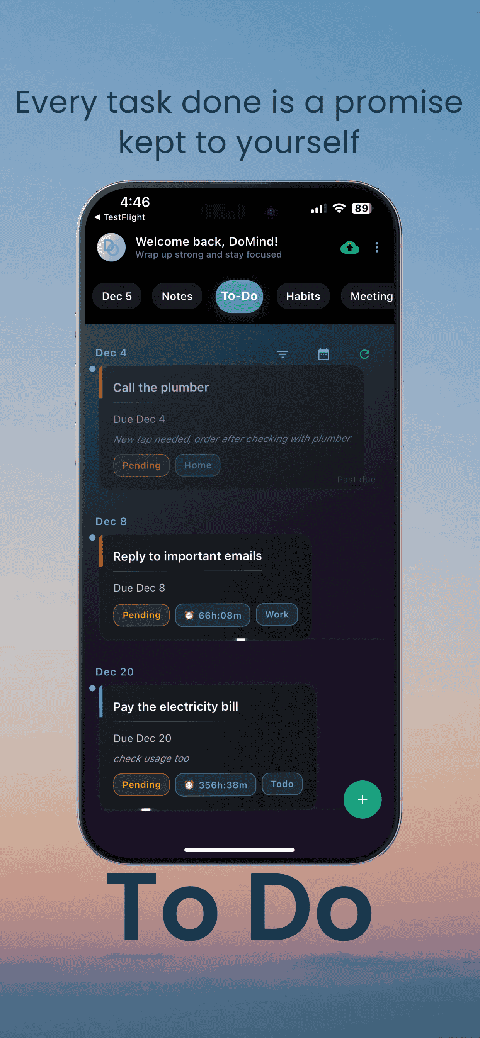
Manage tasks visually
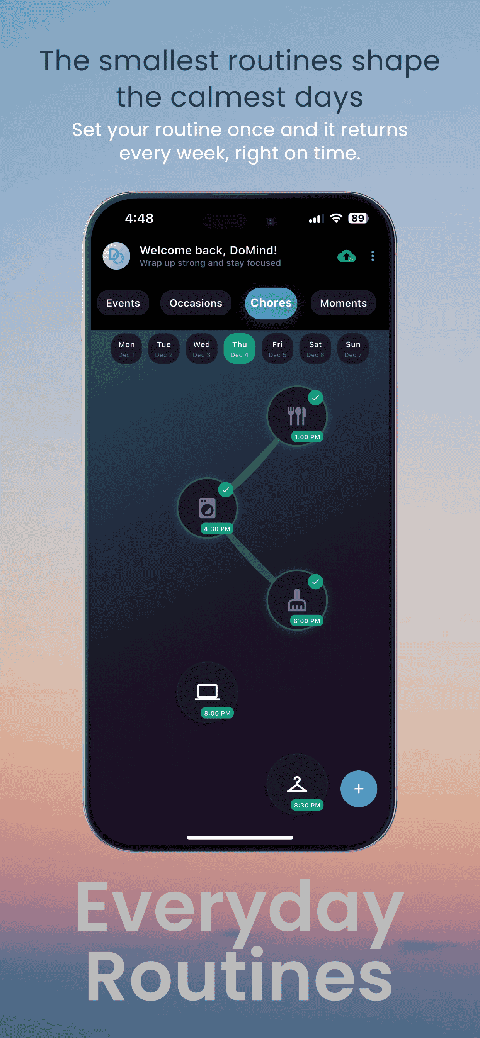
Choose themes
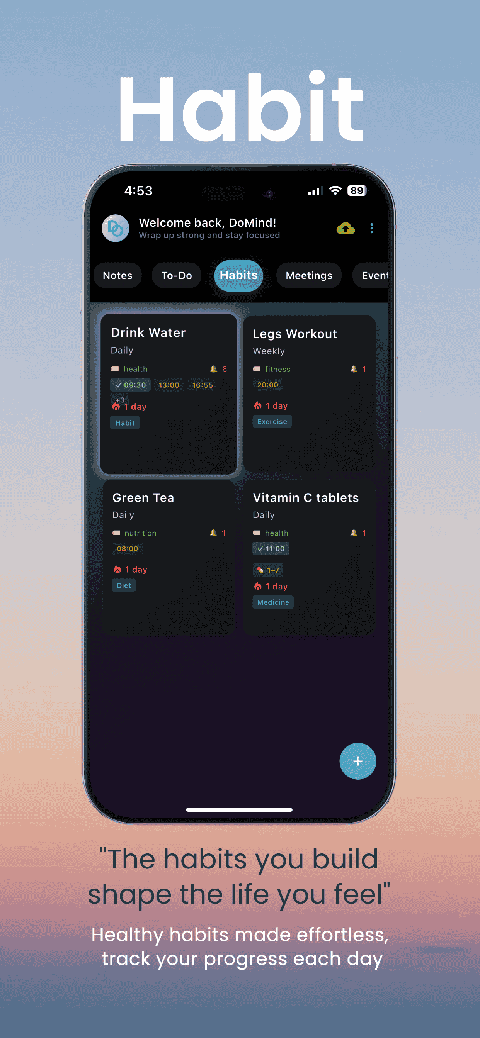
Track habits
Organize routines
Visual experience
Calm interface
Standard planners feel like a wall of text. They trigger overwhelm.
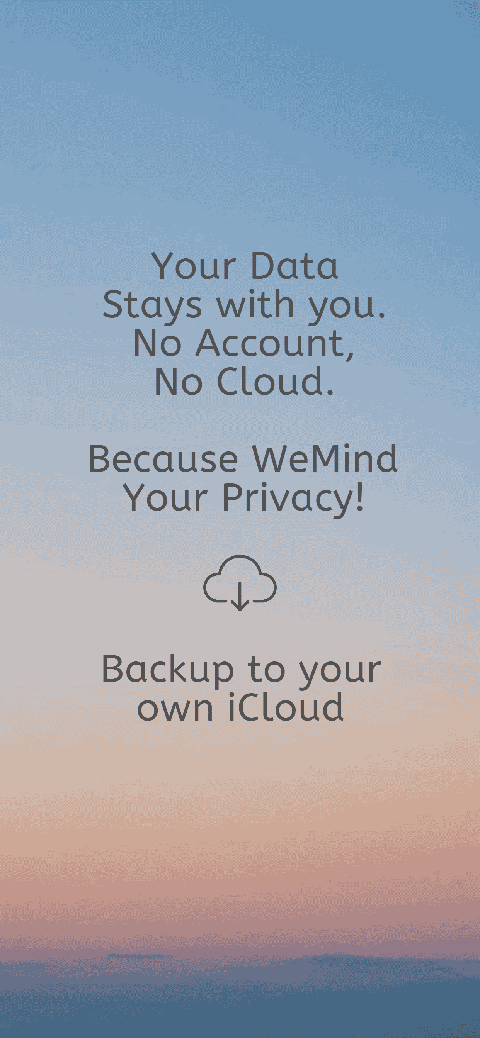
Download DoMind free — the visual planner that respects your privacy.