Tired of planners that feel like a chore? DoMind's ADHD-friendly, gamified-lite design reduces friction, lowers cognitive load, and helps you hyperfocus on what matters.
Most productivity apps assume your brain works like a filing cabinet. Tasks are stacked in endless vertical lists, buried under menus, tags, and notifications. For many people with ADHD, this structure quickly becomes overwhelming.
Instead of helping you focus, traditional planners often create task paralysis. When everything is presented as dense text, your brain must constantly scan, filter, and prioritize information before you even start working.
For an ADHD brain, that extra friction can be enough to stop momentum entirely.
Another common challenge is object permanence. When tasks disappear from view, they often disappear from awareness. A to-do list hidden behind tabs or buried deep in an app quickly becomes invisible.
This is the classic "out of sight, out of mind" problem.
Traditional productivity apps were not designed to solve this. They simply assume more reminders, more notifications, and more structure will fix the issue. But the real solution is not more noise.
The real solution is visual clarity.
DoMind is not just another to-do list.
It is a visual planner designed specifically for ADHD and visual thinkers. Instead of forcing your brain to manage abstract lists, DoMind turns your day into a visual timeline that is easy to understand at a glance.
Think of it as moving your plans out of your head and into a clear visual environment.
This process is known as externalization. By placing tasks, routines, and reminders into a visual system, your working memory no longer has to carry everything at once.
The result is lower cognitive load and a calmer planning experience.
Rather than constantly remembering what needs to happen next, you can simply look at your planner and see it.
Many ADHD productivity systems fail because they rely heavily on text. Visual planning takes a different approach by presenting information spatially.
When tasks appear visually, your brain can process them much faster. Instead of reading through a long list, you instantly understand what matters.
DoMind uses visual structure to support several ADHD challenges.
Time blindness is one of the most common ADHD experiences. Tasks often feel disconnected from time, making it difficult to estimate how long things will take.
DoMind solves this by presenting your day as a chronological visual flow. Tasks appear within the context of time, making your schedule easier to understand.
Complex productivity apps introduce friction through settings, templates, and complicated workflows.
DoMind intentionally removes this complexity. The interface is calm, minimal, and designed to help you focus on the next action rather than the system itself.
When tasks remain visually present, they stay mentally accessible. This prevents the "task disappearance" problem common with traditional list-based planners.
If you can see it, you can act on it.
Many productivity apps overwhelm users with bright colors, flashing notifications, and aggressive UI design.
For neurodivergent users, this can lead to sensory overload.
DoMind takes a different approach.
The interface uses soft tones, balanced spacing, and subtle depth to create a calm environment. Instead of competing for your attention, the design supports focus.
The goal is simple: your planner should feel like a quiet workspace for your mind.
Ideas often appear quickly and disappear just as fast.
Many productivity tools slow down capture by requiring folders, tags, or project selection before saving a thought.
DoMind removes that friction.
You can instantly capture tasks, notes, and ideas the moment they appear. Whether it's a quick reminder, a task for later, or a new idea, the system allows you to store it immediately.
This reduces the mental pressure of trying to remember everything.
Modern productivity apps often come with a hidden cost: your data.
Many services require accounts, collect analytics, and analyze your habits through algorithms. Some even use artificial intelligence systems to study your behavior.
DoMind takes a completely different philosophy.
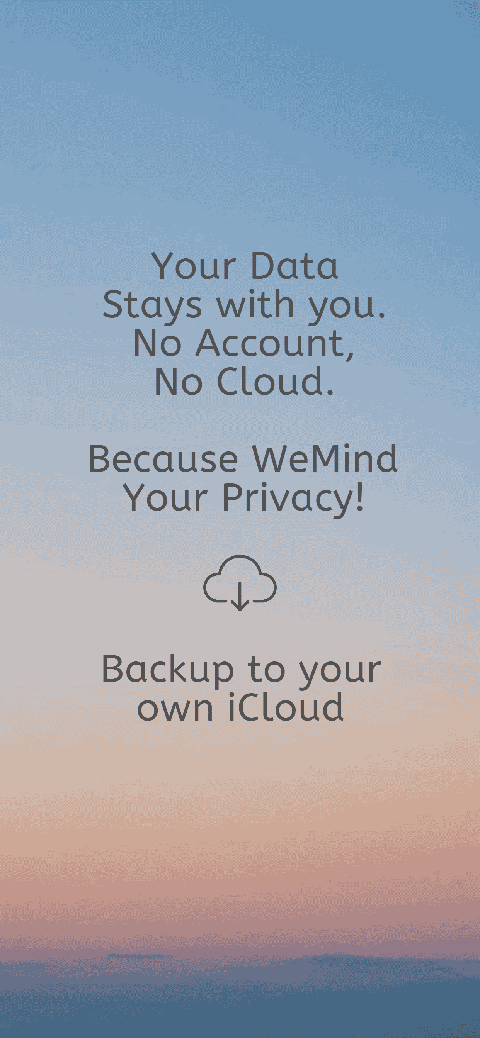
It is built as a privacy-first planner that respects your personal data.
Your tasks, routines, and memories remain entirely private.
Most productivity tools depend on constant internet connections. This introduces delays, server dependencies, and potential privacy concerns.
DoMind works completely offline.
Your planner lives directly on your device, allowing you to plan your day instantly without waiting for cloud synchronization.
This approach offers several advantages:
Whether you're traveling, working offline, or simply trying to stay focused, your planner remains available.
ADHD brains respond well to visual feedback and small wins.
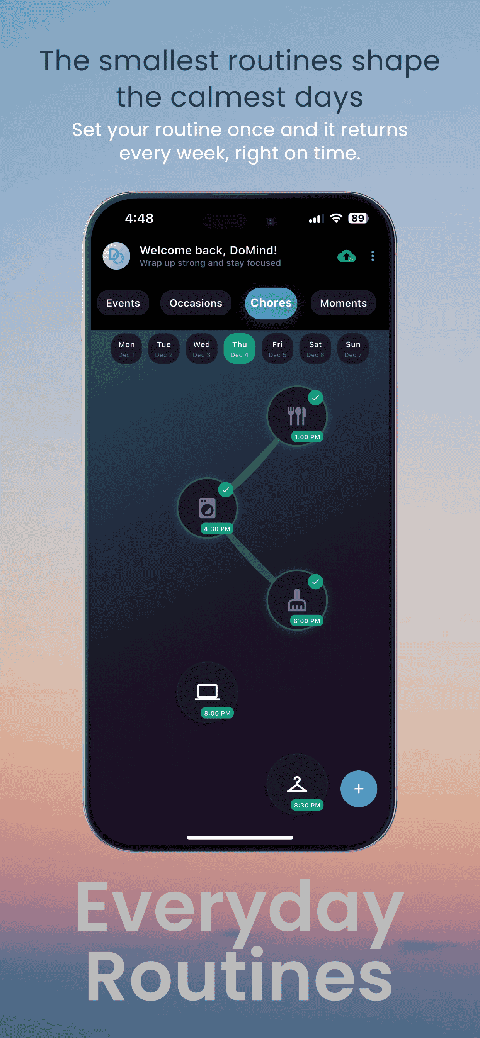
DoMind makes daily routines easier to maintain by turning habits and chores into visible progress.
You can create recurring rituals for work, home, or personal growth without the pressure of complicated tracking systems.
This includes:
Instead of feeling like another productivity obligation, these systems help create gentle structure throughout your day.
Productivity should not feel like a battle.
For many people with ADHD, traditional systems simply add more friction and more mental load.
DoMind was created to provide a different experience.
A visual ADHD planner that reduces overwhelm, respects your privacy, and helps you organize your day in a calm, intuitive way.
If you are looking for a planner designed for visual thinkers and ADHD minds, DoMind offers a simpler, more supportive way to manage your life.
See your entire day visually in one place with DoMind's visual daily planner and task overview.
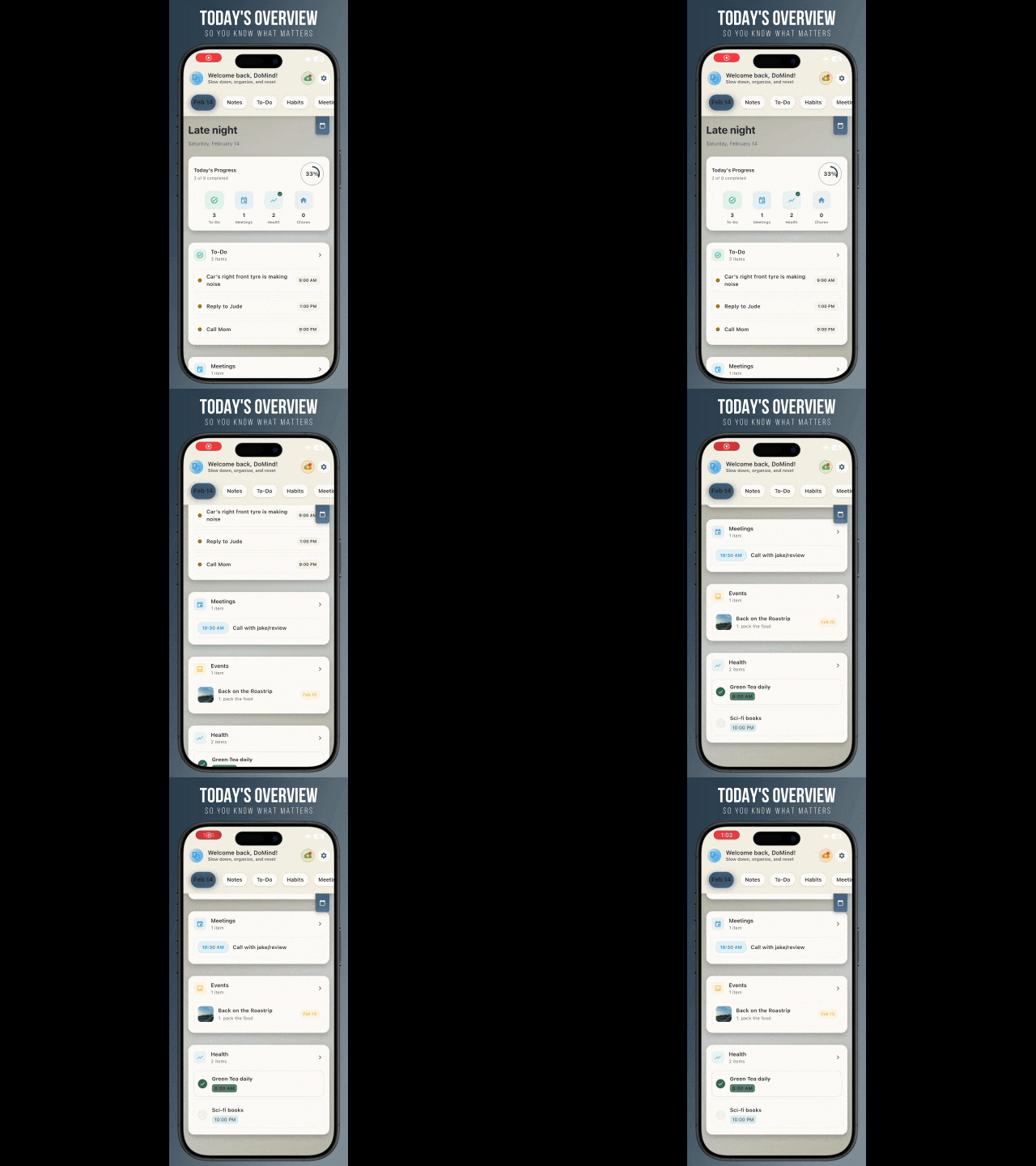
A clean visual planner designed for focus and calm.
Your life, organized
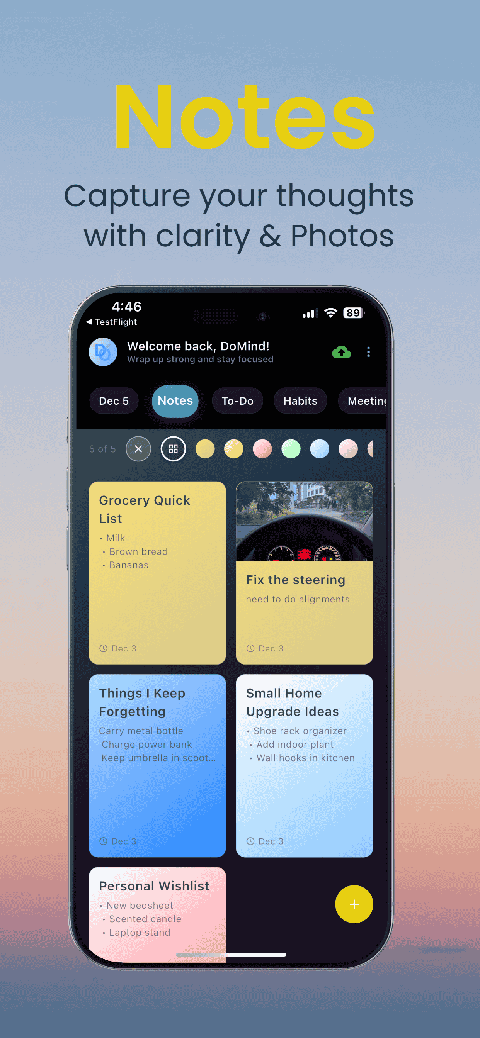
Visual notes
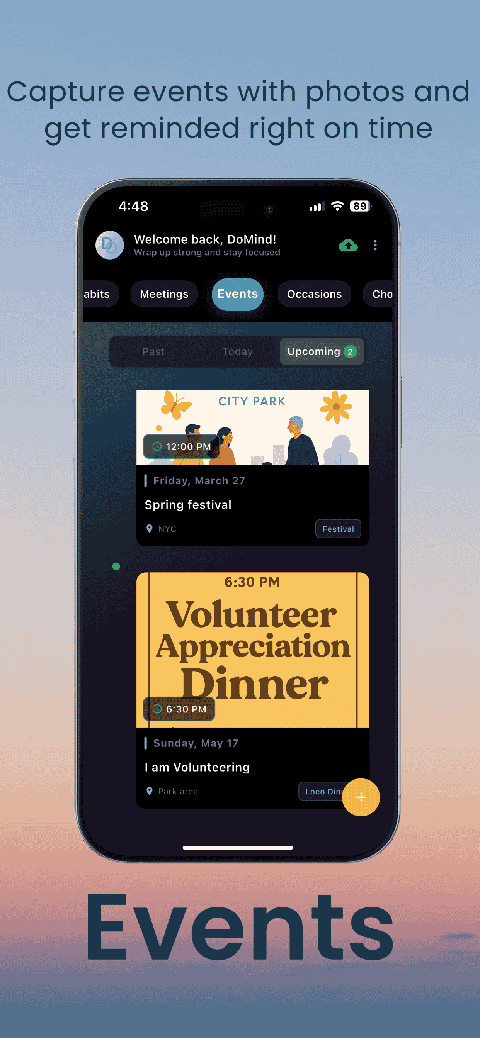
Plan events
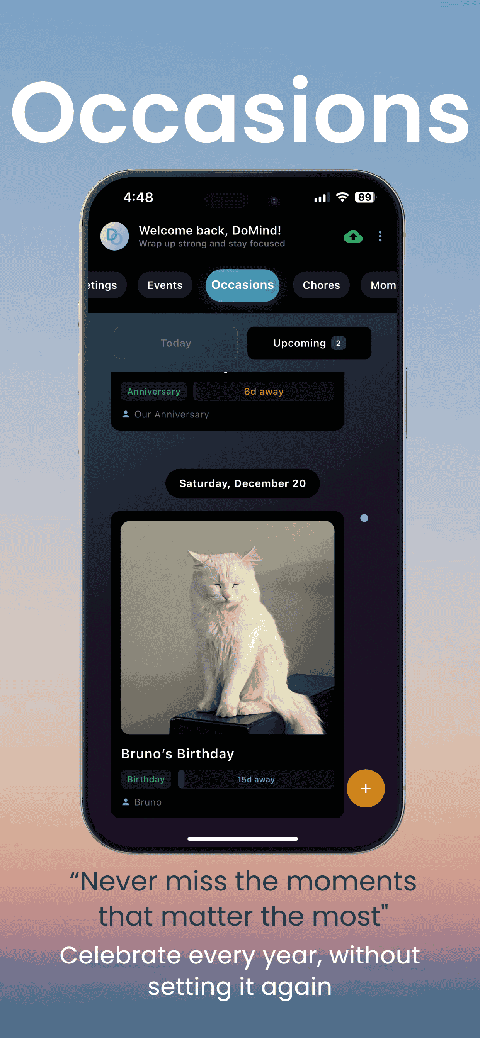
Private memories
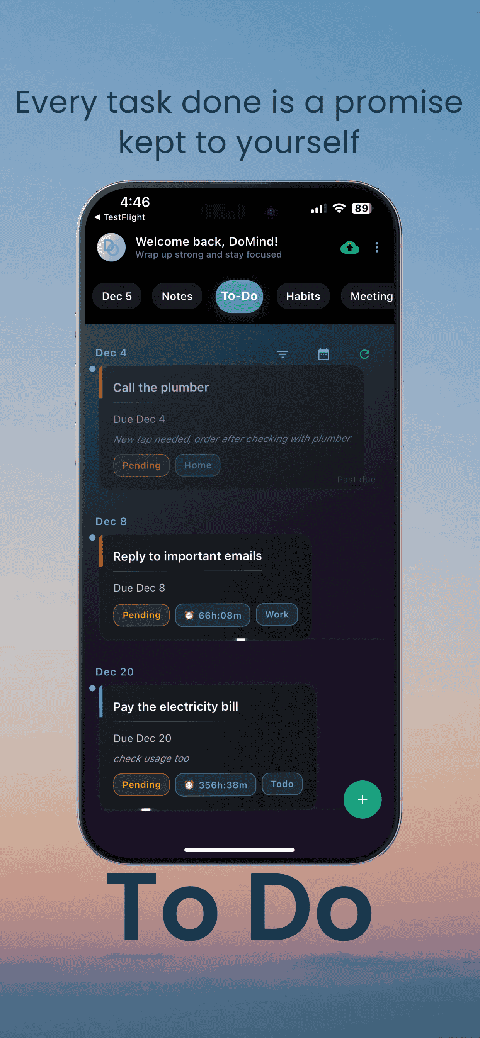
Manage tasks visually
Choose themes
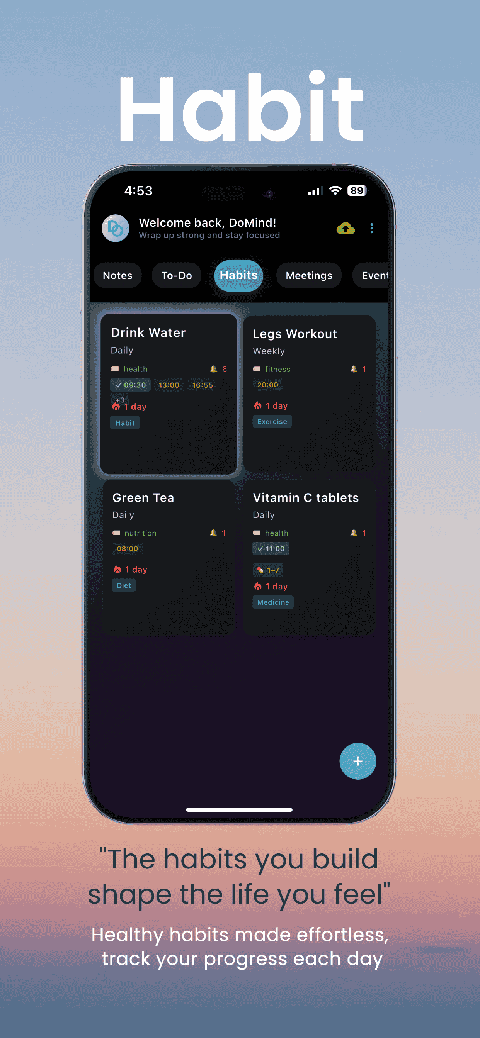
Track habits
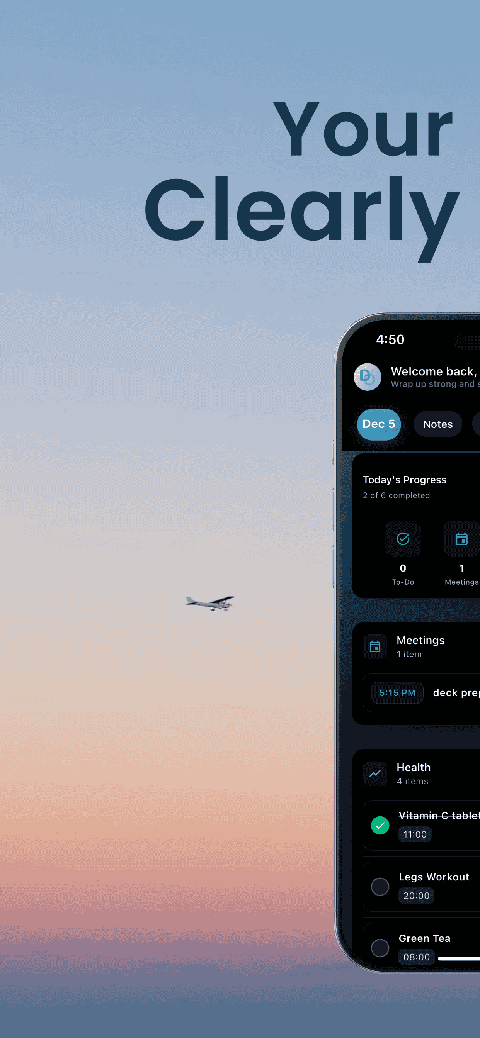
Organize routines
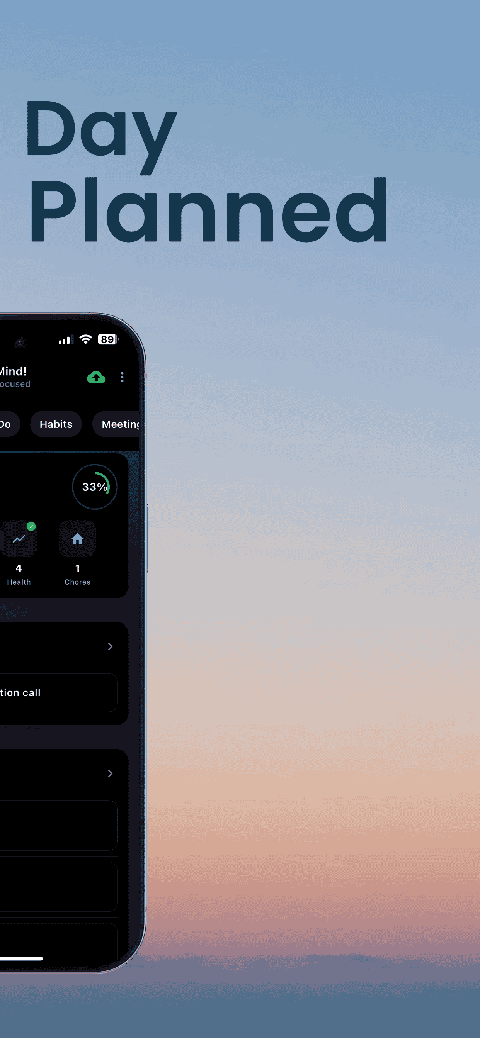
Visual experience
Calm interface
Standard planners feel like a wall of text. They trigger overwhelm.
Download DoMind free — the visual planner that respects your privacy.