When you're running on absolute empty, aggressive hyper-productivity apps actively hurt you. DoMind helps you manage your limited energy units kindly.
Many people with ADHD experience periods of extreme mental exhaustion often referred to as ADHD burnout.
This type of burnout can feel different from ordinary tiredness. It often appears after long periods of pushing through tasks, masking difficulties, or trying to maintain productivity systems that do not match how the brain naturally works.
When burnout happens, even simple responsibilities can feel overwhelming.
Common signs of ADHD burnout include:
During burnout, traditional productivity advice can often make things worse.
Systems that demand constant output or strict schedules may add additional pressure when the brain needs recovery.
Instead, recovery usually requires a slower and more compassionate approach to planning.
ADHD burnout often develops gradually.
Many individuals spend long periods compensating for executive function challenges. They may push themselves to maintain focus, meet expectations, and keep up with demanding workloads.
Over time, this constant effort can drain mental energy.
Other factors that may contribute to burnout include:
When the brain becomes exhausted, it may temporarily lose the ability to maintain normal routines.
This is why burnout recovery often focuses on rebuilding structure slowly.
Recovering from burnout requires a different kind of productivity system.
Instead of pushing harder, the focus shifts toward gentle planning.
Gentle planning means organizing responsibilities in a way that respects your current energy levels.
Rather than trying to accomplish everything at once, you focus on small, manageable steps.
This approach helps reduce pressure while still maintaining a sense of progress.
Over time, these small actions can gradually rebuild momentum.
Many productivity systems focus heavily on time management.
But during burnout recovery, energy often becomes the more important resource.
This is why many neurodivergent communities use the concept known as spoon theory.
Spoon theory describes energy as a limited number of units available each day.
Each activity uses some of those units.
When all the spoons are used, rest becomes necessary.
An effective energy management system helps users distribute tasks based on their available energy rather than simply filling the calendar.
When the brain is exhausted, complex systems can feel overwhelming.
Long to-do lists and complicated productivity frameworks may create additional stress.
A visual planning system can help simplify the experience.
Instead of processing large amounts of information, users can see their tasks and responsibilities organized clearly.
This reduces cognitive load and makes planning feel more manageable.
When responsibilities appear as simple visual elements rather than dense lists, it becomes easier to decide what to focus on next.
Routines often disappear during burnout.
Tasks that once felt automatic may suddenly require significant effort.
Rather than trying to restore every routine immediately, it can help to start small.
For example, a recovery routine might include just a few simple actions:
Over time, these routines can gradually expand as energy levels return.
Consistency matters more than intensity during this stage.
DoMind was designed to support flexible and low-pressure planning.
Instead of overwhelming users with complex productivity systems, the app provides a calm environment where tasks and routines can be organized gently.
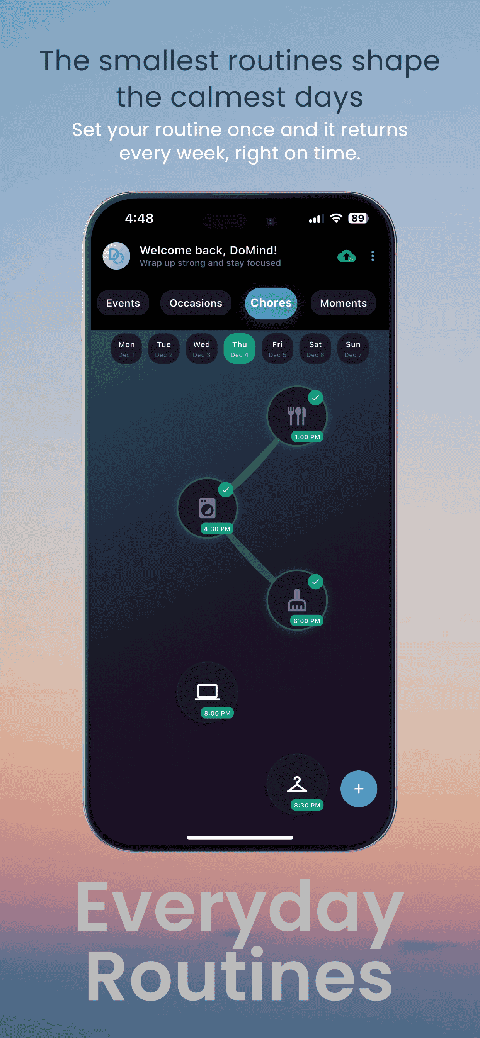
Users can manage several aspects of life within the same visual planner:
This unified system helps reduce the mental effort required to track different responsibilities.
Everything exists in one calm planning environment.
Many responsibilities repeat regularly.
However, manually recreating tasks every time can become exhausting during burnout.
DoMind allows users to create recurring tasks that automatically appear again.
These tasks can be configured to:
This helps maintain routines without requiring constant planning effort.
Some people find reminders helpful during recovery.
Others prefer a quieter system without notifications.
DoMind supports both approaches.
You can add reminders for important events or simply use the planner as a visual guide.
This flexibility allows users to create a system that feels supportive rather than demanding.
Burnout recovery is rarely immediate.
Energy returns gradually, and progress often happens in small steps.
Completing even one manageable task can help rebuild confidence.
These small wins accumulate over time.
Eventually, the brain begins to reconnect with a sense of forward movement.
Gentle planning systems support this process by keeping tasks manageable and visible.
Recovering from ADHD burnout requires patience and compassion.
Instead of forcing productivity, it helps to create systems that respect your current capacity.
Visual planning, flexible routines, and energy-aware task management can make rebuilding structure easier.
DoMind was created to provide a calm environment where tasks, routines, and responsibilities can be managed without overwhelming pressure.
When productivity tools become supportive rather than demanding, recovery becomes possible.
With gentle structure and realistic expectations, it becomes easier to regain energy and rebuild momentum over time.
See your entire day visually in one place with DoMind's visual daily planner and task overview.
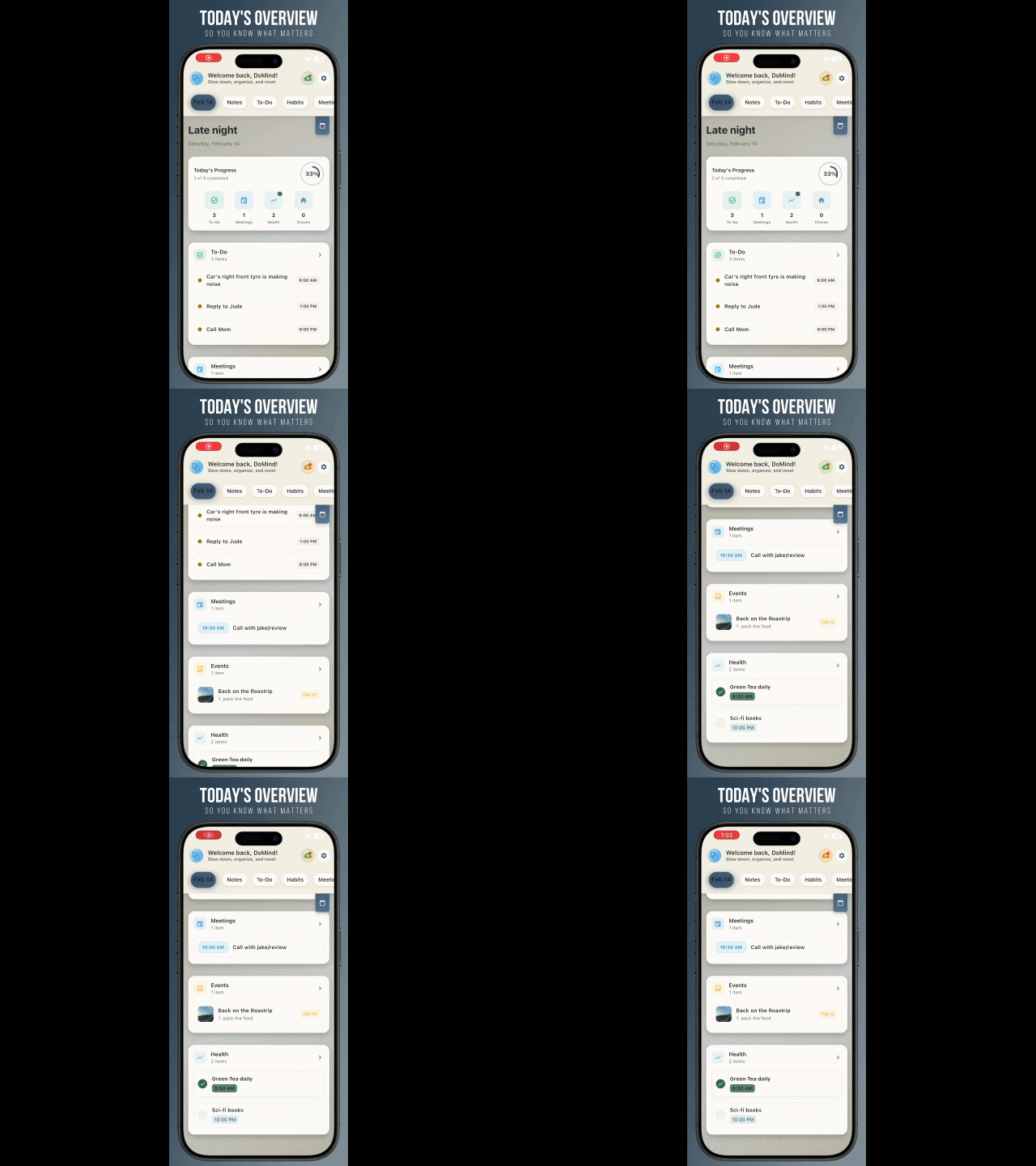
A clean visual planner designed for focus and calm.
Your life, organized
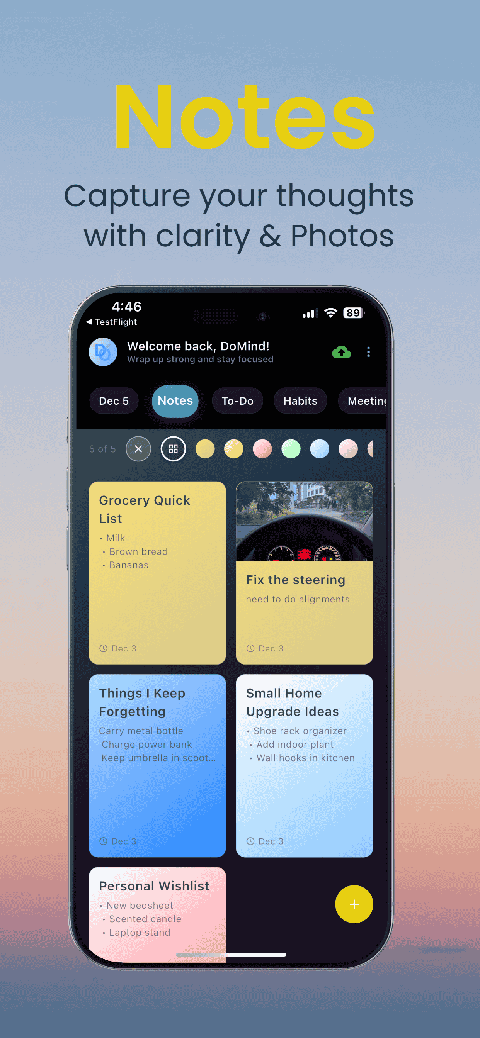
Visual notes
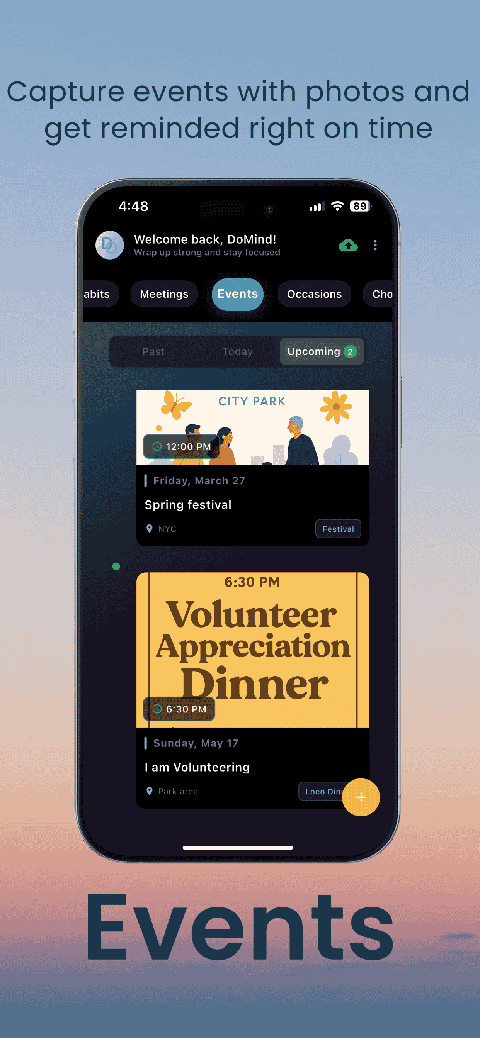
Plan events
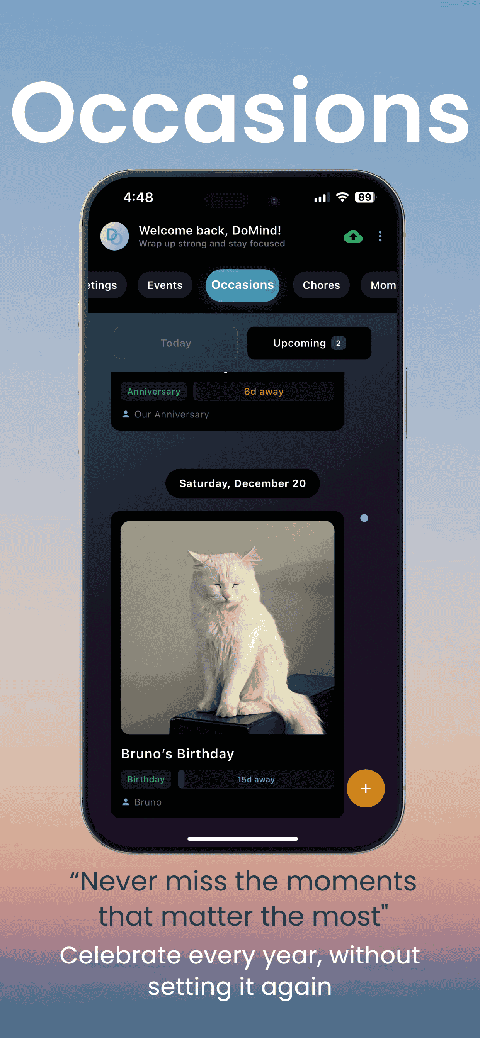
Private memories
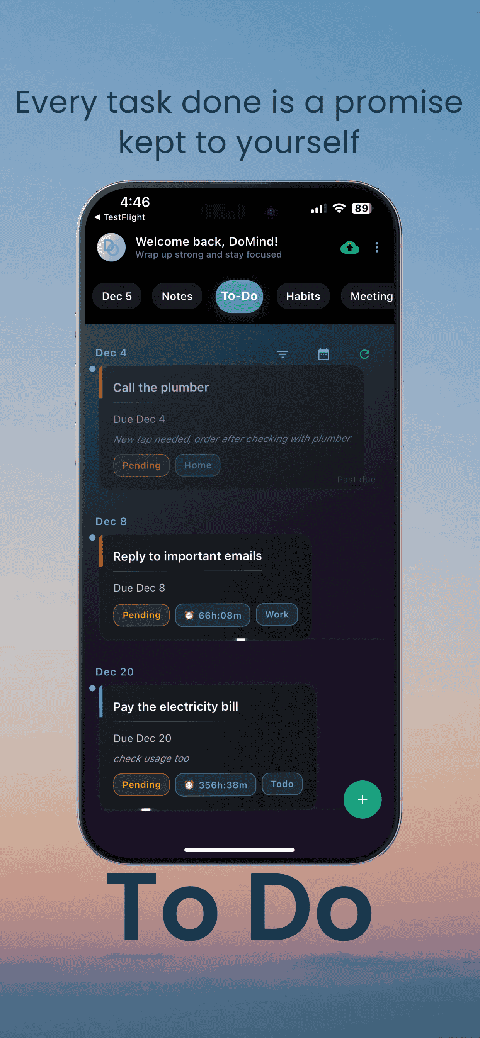
Manage tasks visually
Choose themes
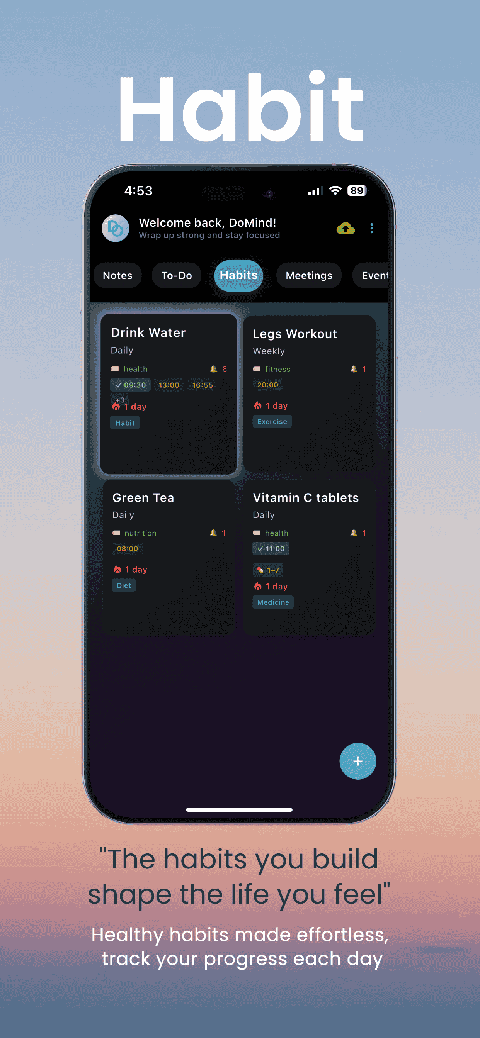
Track habits
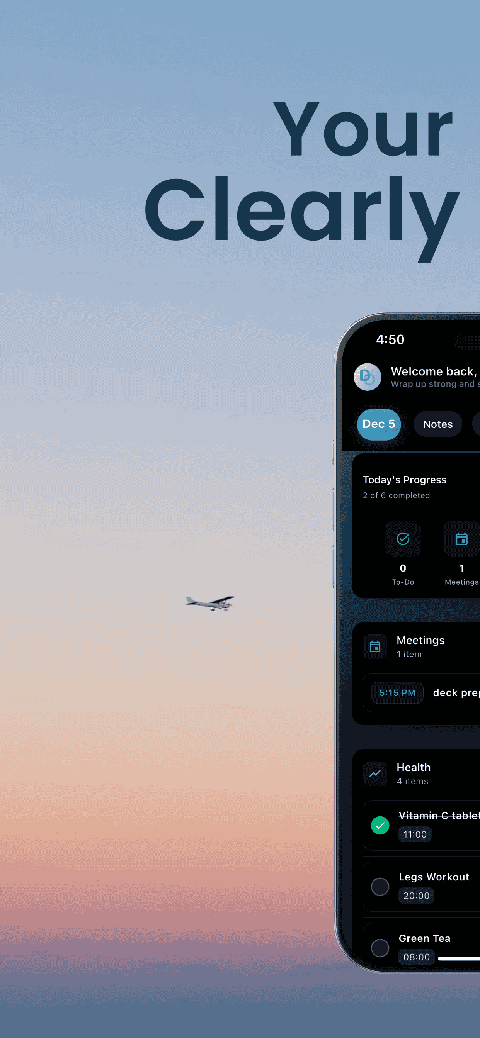
Organize routines
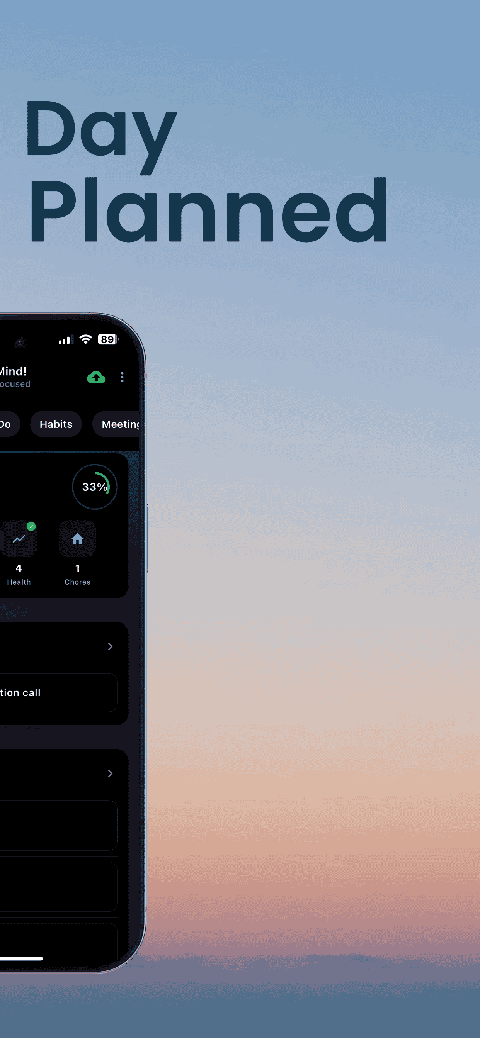
Visual experience
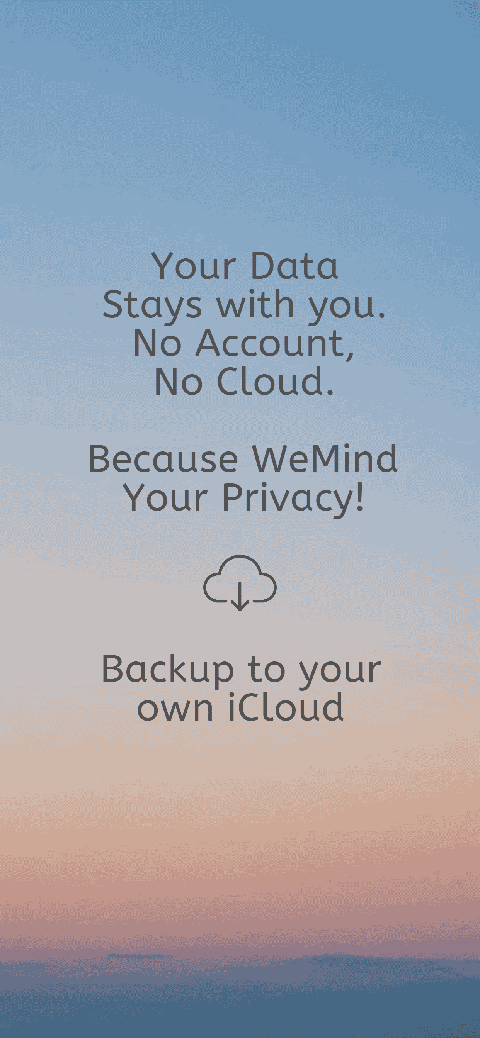
Calm interface
Standard planners feel like a wall of text. They trigger overwhelm.
Download DoMind free — the visual planner that respects your privacy.